Big Cats, Bigger Hearts: What It’s Really Like Living With a Large Cat Breed
Some cats are small and delicate. Others walk into a room and completely change it.
Large cat breeds are the gentle giants of the feline world. They can weigh twice as much as the average house cat, stretch nearly three feet long, and still curl up beside you like oversized kittens. For many families, they are unforgettable companions, big in body, personality, and presence.
But living with a large cat comes with realities that go beyond the wow factor. Their size affects everything from health and longevity to how your home needs to be set up.
What actually counts as a “large” cat?
Most veterinarians and breed experts consider a cat “large” when a healthy adult regularly exceeds 15 pounds, with many reaching 20 pounds or more without being overweight. By comparison, the average domestic cat weighs around 8 to 12 pounds.
Some males, particularly Maine Coons and Savannahs, can grow even larger, sometimes topping 25 pounds while remaining lean and athletic. These are not just cats with extra fluff, they are genuinely big animals with different physical needs.
Maine Coons: the original gentle giant
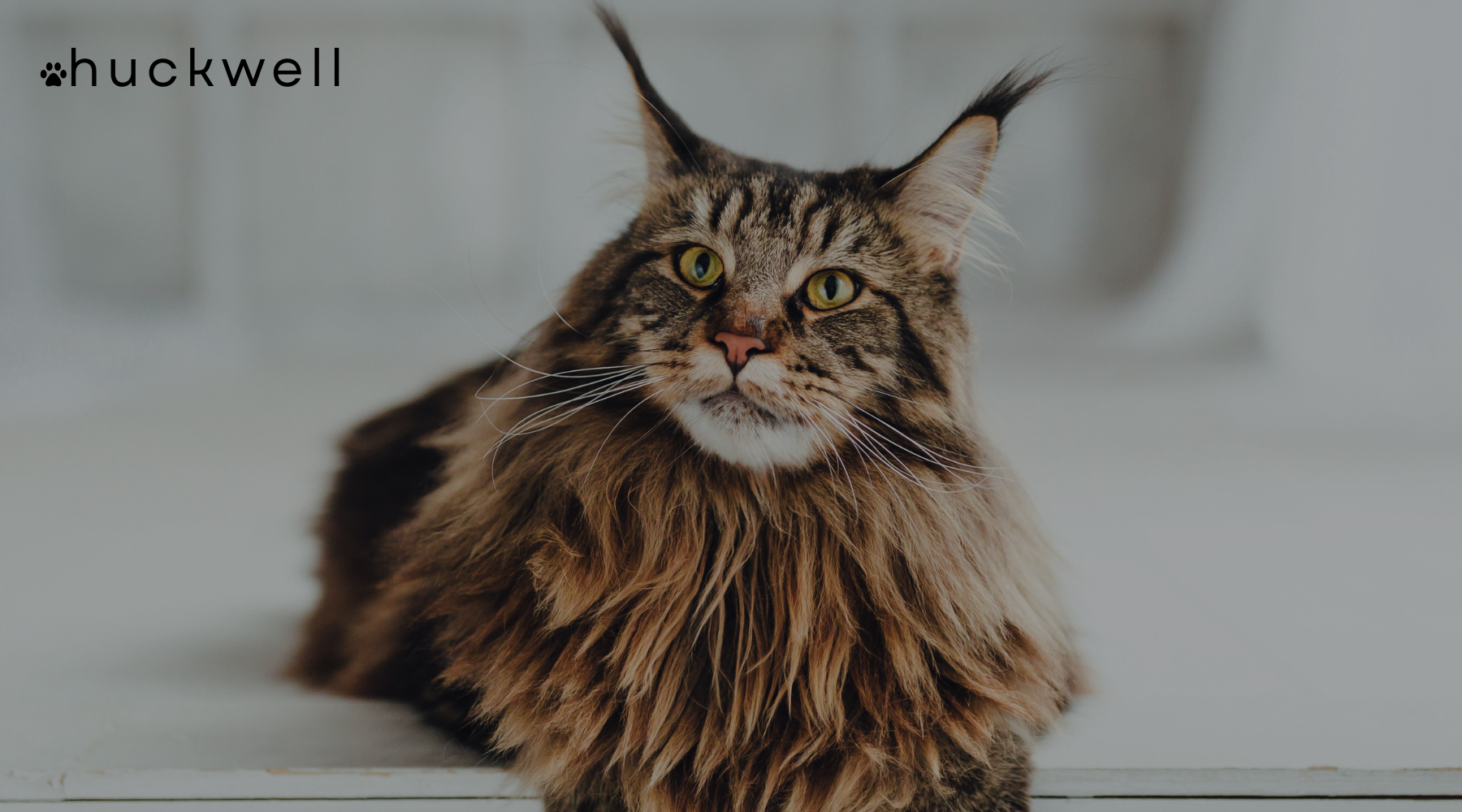
Maine Coons are often considered the largest non-hybrid domestic cat breed. Fully grown males commonly weigh between 18 and 25 pounds, with long bodies, thick tails, and tufted ears shaped by generations of cold-weather survival.
What surprises most people is their temperament. Maine Coons are famously social and affectionate. Many owners describe them as dog-like, following family members from room to room and thriving in busy households.
Their size, however, comes with health considerations. Maine Coons are more prone to joint stress, hip dysplasia, and heart conditions like hypertrophic cardiomyopathy. Maintaining a healthy weight and reducing strain on their bodies becomes especially important as they age.
Savannahs: athletic, striking, and not for everyone
Savannah cats look almost wild, with long legs, spotted coats, and incredible jumping ability. Depending on generation, they can weigh anywhere from 12 to 25 pounds and stand noticeably taller than most house cats.
They are intelligent, curious, and deeply bonded to their humans, but they are also high-energy. Savannahs need vertical space, daily engagement, and a home that can handle a cat that jumps eight feet straight up.
They are stunning companions, but best suited to experienced cat owners who are ready to adapt their environment.
Ragdolls and Ragamuffins: big cats built for comfort
Ragdolls and Ragamuffins are large, plush cats known for their relaxed personalities. Many take up to four years to fully mature, eventually reaching 15 to 20 pounds.
These breeds tend to be calm, affectionate, and deeply attached to their people. They are often happiest lounging nearby or settling into laps, despite their size.
Because they are less athletic than breeds like Savannahs, weight management is critical. Extra pounds place stress on joints and hearts that are already working harder in bigger bodies.
Forest cats: Norwegian Forest Cats and Siberians
Norwegian Forest Cats and Siberians look like they stepped out of a myth. Thick coats, strong frames, and calm, observant personalities define these northern breeds.
Large males can reach over 20 pounds, yet they adapt well to indoor family life when given climbing opportunities and proper grooming. They tend to be affectionate without being demanding, comfortable sharing space rather than constantly seeking attention.
The practical side of living with a big cat
Large cats change the day-to-day details of care.
They need sturdier furniture that will not tip or wobble. Cat trees, scratching posts, and shelves must support real weight.
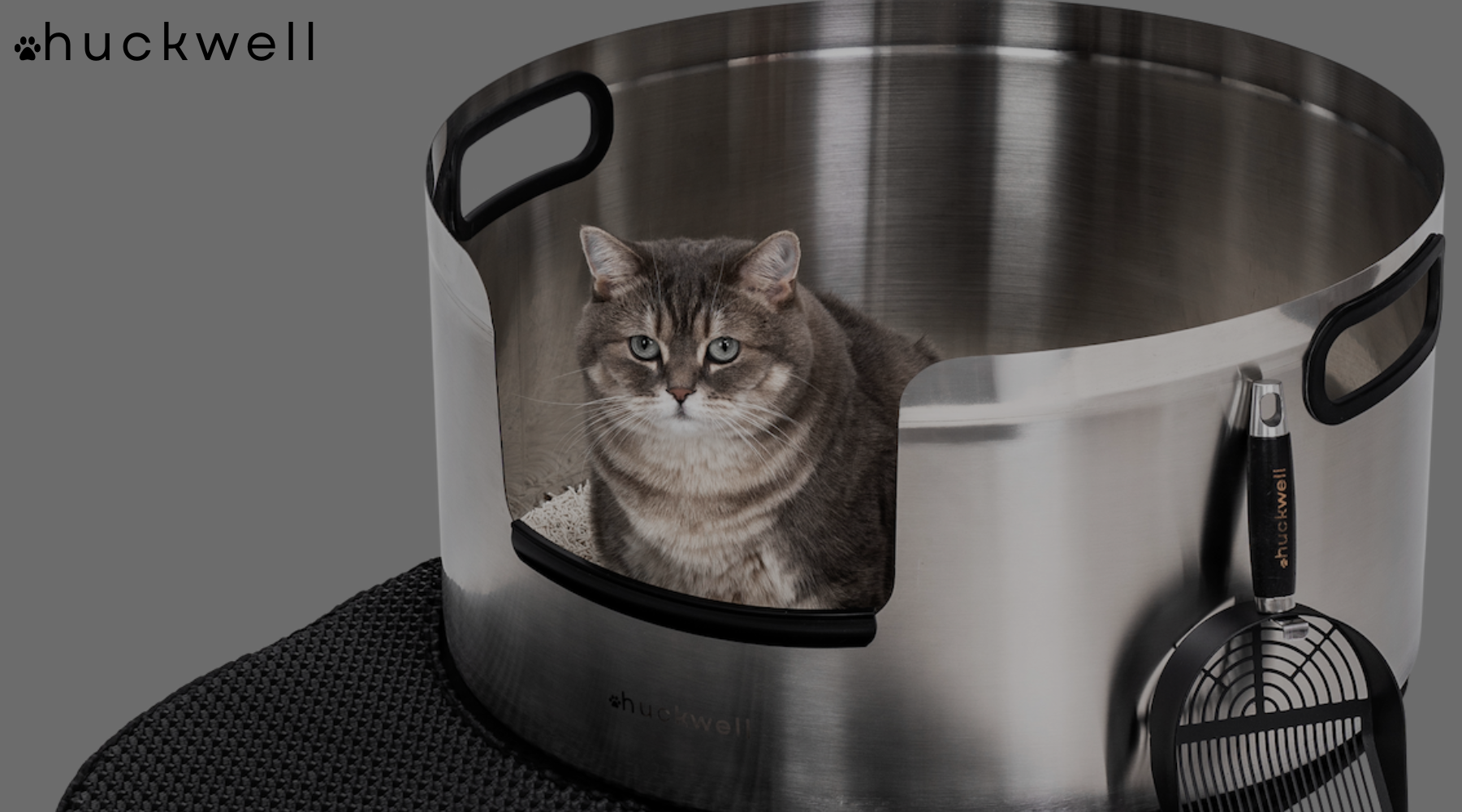
Litter boxes are another common challenge. Many standard boxes are simply too small for a 18- or 20-pound cat to turn comfortably. When cats feel cramped, messes increase and stress follows.
Diet and weight management matter even more for large breeds. Obesity dramatically raises the risk of joint disease, diabetes, and heart problems in cats that already carry extra mass.
Big bodies, bigger personalities
Across breeds, one theme shows up again and again: many large cats are deeply people-oriented. They form strong bonds, enjoy companionship, and bring a sense of calm, steady presence into a home.
They are not just impressive to look at. They are emotionally rich companions that take up space in the best possible way.
Where Huckwell fits in
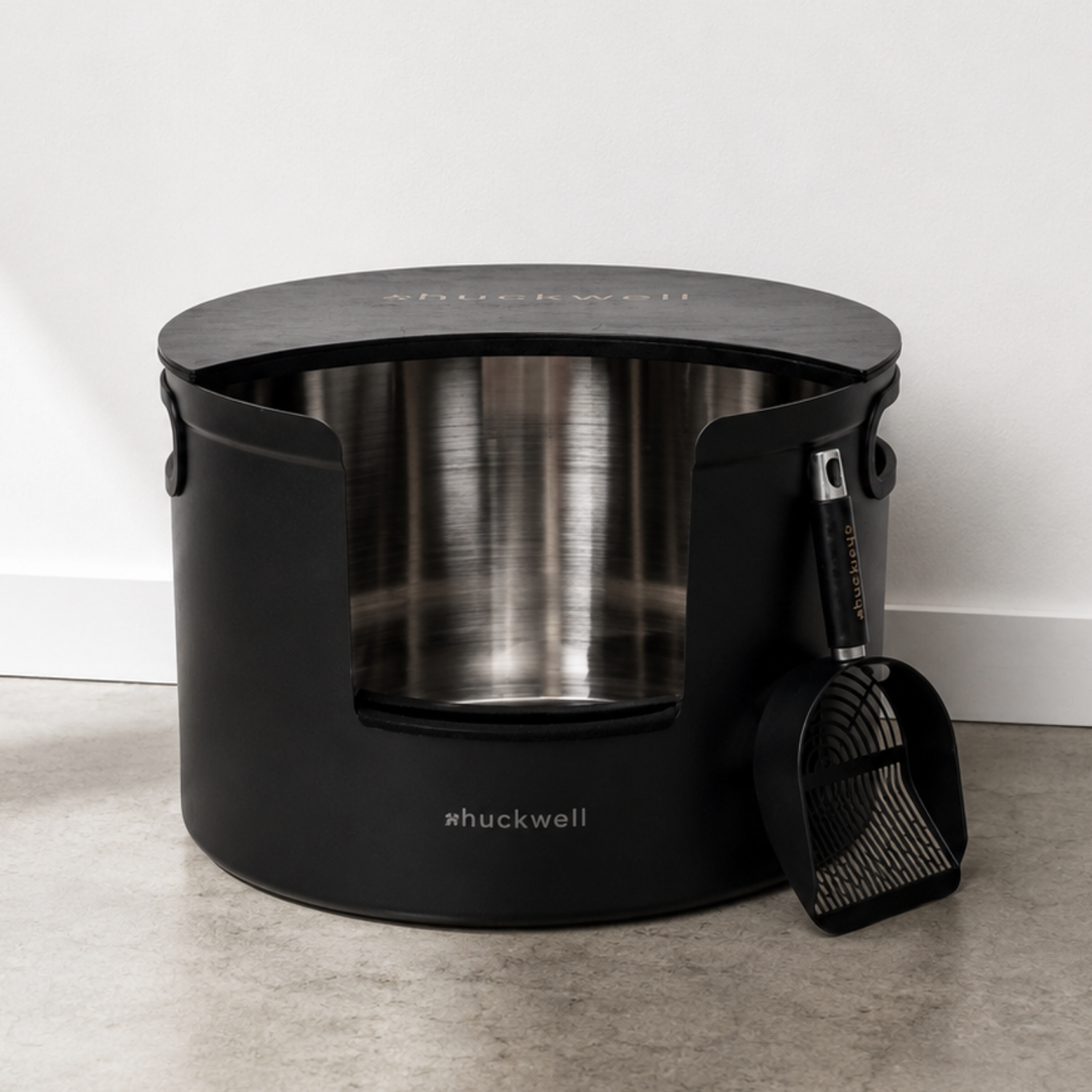
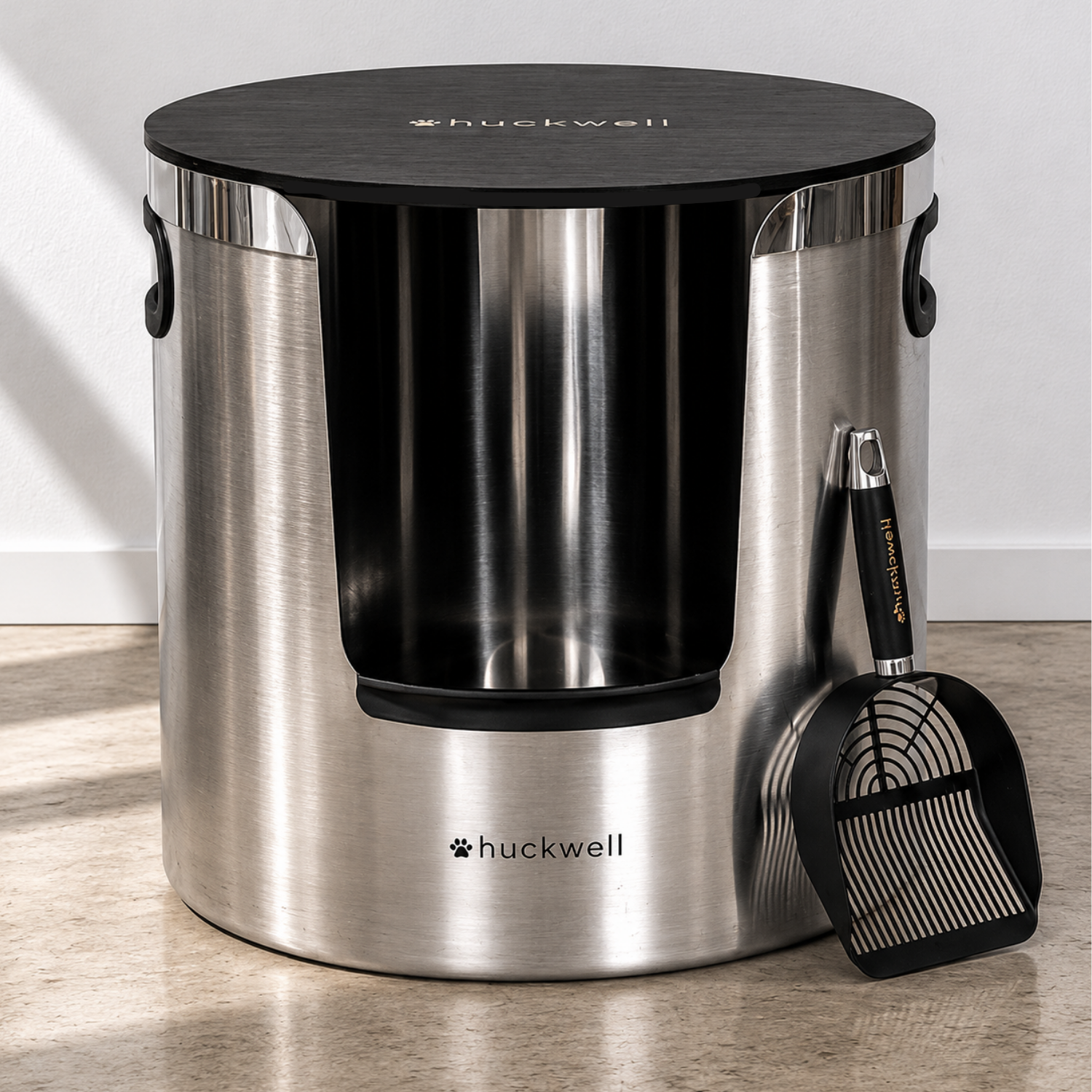
Living with a large cat means choosing products that respect their size and comfort. That includes litter boxes that actually give them room to move and materials that stay clean under heavier use.
Huckwell designs for real cats, not averages. Our stainless steel litter boxes are built to give larger cats the space they need while making cleanup easier for the people who love them.
Because big cats deserve setups that work as hard as they do.