
Why Black Cats Are Overlooked and Why That Needs to Change
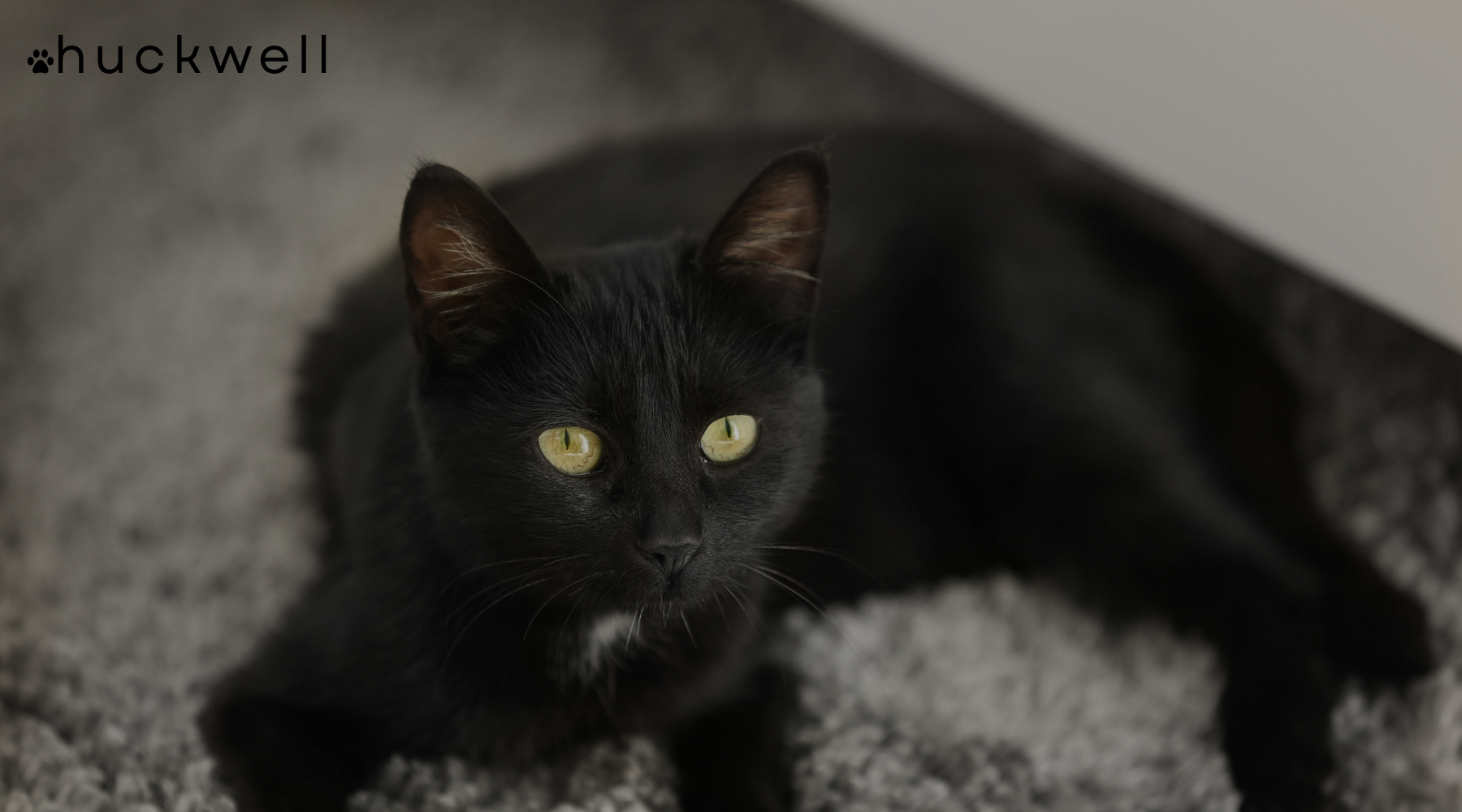
Black cats have quietly become the underdogs of the feline world.
They are just as affectionate, playful, and adoptable as any other cat. Yet time and again, they are passed over in shelters, wait longer for homes, and face higher euthanasia rates than cats with lighter coats. It is not because of behavior or health. It is because of perception.
The reality behind “Black Cat Syndrome”
The numbers are hard to ignore. In one detailed study of an urban U.S. shelter, black cats had the highest euthanasia rate at 74.6 percent and the lowest adoption rate at just 10 percent. No other coat color came close to those outcomes. In the same shelter, white and other-colored cats were adopted at nearly twice the rate.
Animal welfare groups often summarize this pattern as black cat bias. When age, health, and temperament are equal, black cats are still less likely to be chosen and more likely to be euthanized. The difference is not the cat. It is the story people tell themselves about the cat.
How old myths still show up today
Some of this bias traces back hundreds of years. In medieval Europe and later in Puritan America, black cats were linked to witchcraft and bad luck. While those beliefs feel outdated, they never fully disappeared. They still surface in language, imagery, and especially around Halloween, when black cats are treated more like spooky symbols than living animals.
There is also a modern issue shelters call “photogenic bias.” In online adoption listings, black cats can blend into dark backgrounds. Their features are harder to see at a glance, especially next to a calico or tabby. When adopters are scrolling quickly, that split-second impression matters more than we like to admit.
Some people even say black cats feel harder to read, less expressive. In reality, their expressions are no different. Our eyes just need a moment longer to see them.
Changing the narrative works
The encouraging part is that this bias is not fixed.
Organizations like Shelter Animals Count have shown that when shelters intentionally spotlight black cats with better photography, thoughtful storytelling, and myth-busting education, adoption rates rise dramatically. In some cases, they match or even exceed those of other coat colors.
The ASPCA highlights Black Cat Appreciation Day every August 17, while many rescues mark National Black Cat Day on October 27. These campaigns are not just symbolic. They work. When black cats are presented clearly, beautifully, and honestly, people respond.
Veterinary clinics and local rescues reinforce the same message. The problem is not personality. It is perception.
Why black cats are a gift in disguise
For adopters, these statistics reveal something powerful. Black cats are often the ones who have waited the longest. Choosing one is an act of compassion, but it is also a practical choice. You are welcoming a companion whose chances were shaped by superstition and aesthetics, not by who they are.
Behaviorally, black cats are no different from any other cat. They can be shy or bold, cuddly or independent. Coat color does not predict temperament. What it does predict, unfortunately, is how long they might wait for someone to look twice.
When someone does, they usually find exactly what they were hoping for: a cat who greets them at the door, curls up nearby, and quietly becomes part of the rhythm of the home.
Why this matters to us at Huckwell
At Huckwell, the Onyx Edition exists for this reason.
It is inspired by our very own black cats, Sommi, and designed to reflect what we believe they deserve: care that is thoughtful, durable, and built to last. Just as black cats are often misunderstood, so are products labeled “stainless steel.” Not all materials are created equal, and details matter.
The Onyx Edition Halo Litter Box is made from 304-grade stainless steel because longevity, hygiene, and peace of mind should not be compromised. It is our way of supporting better choices, better standards, and better outcomes, for cats and for the people who love them.
Because sometimes changing the narrative starts with something small, intentional, and well made.