
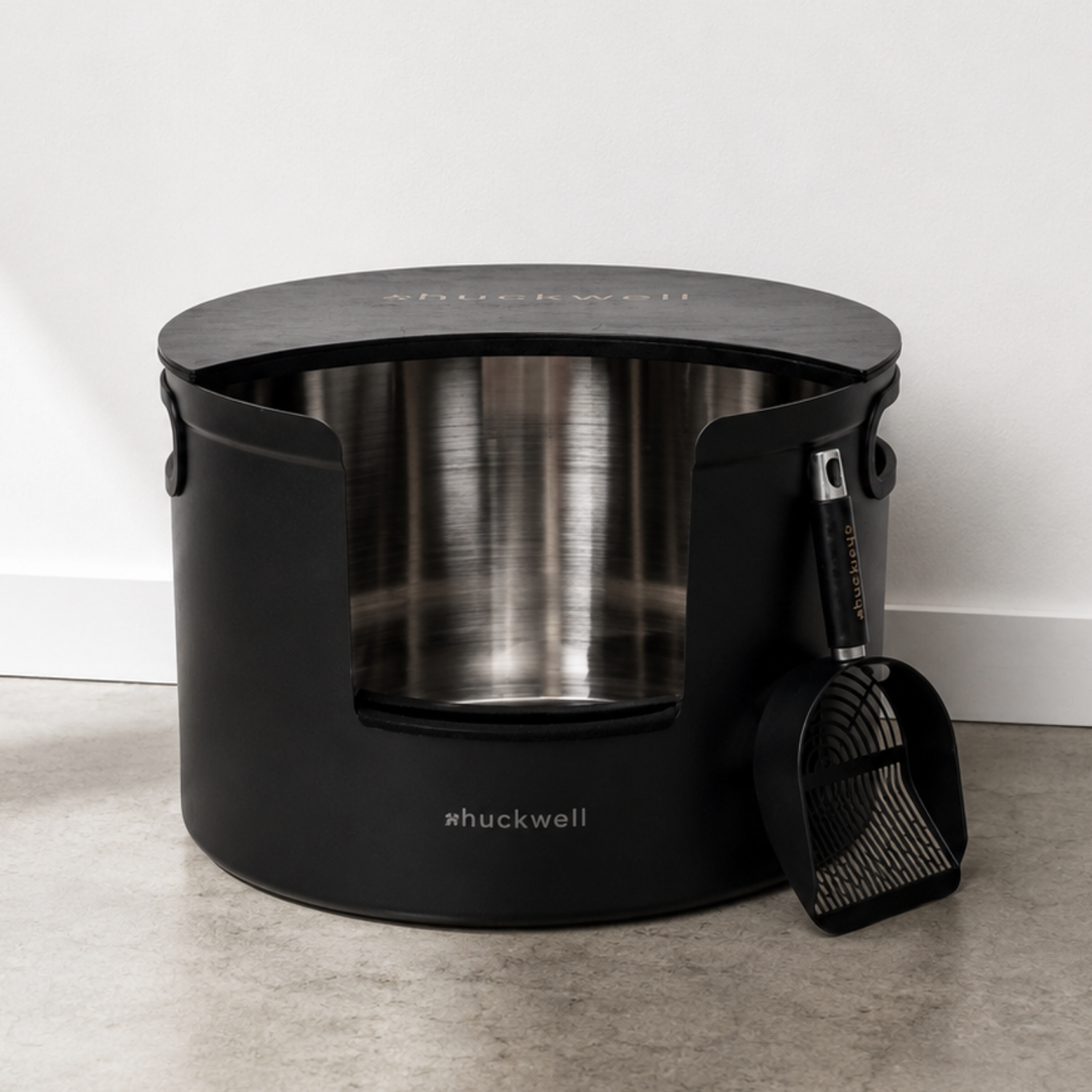
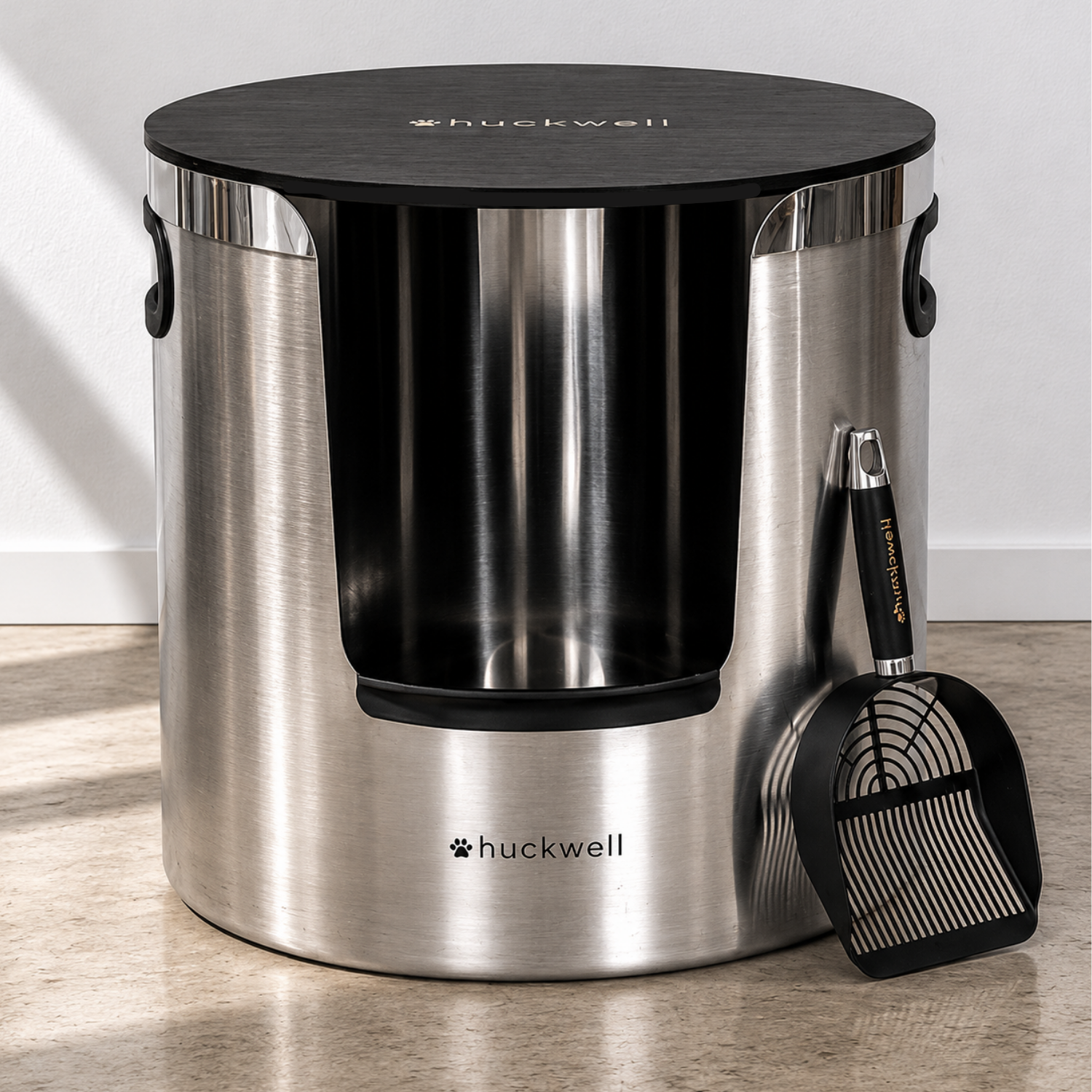
Most “Stainless” Litter Boxes Aren’t.
Why 304-Grade Stainless Steel Is the Best Material for a Cat Litter Box
Most litter boxes marketed as stainless steel are made from 201-grade steel, a cheaper alloy that rusts, traps bacteria, and dulls in months.
Huckwell uses premium 304-grade stainless steel, the same standard used in surgical tools and food-grade equipment, built to last a decade or more.
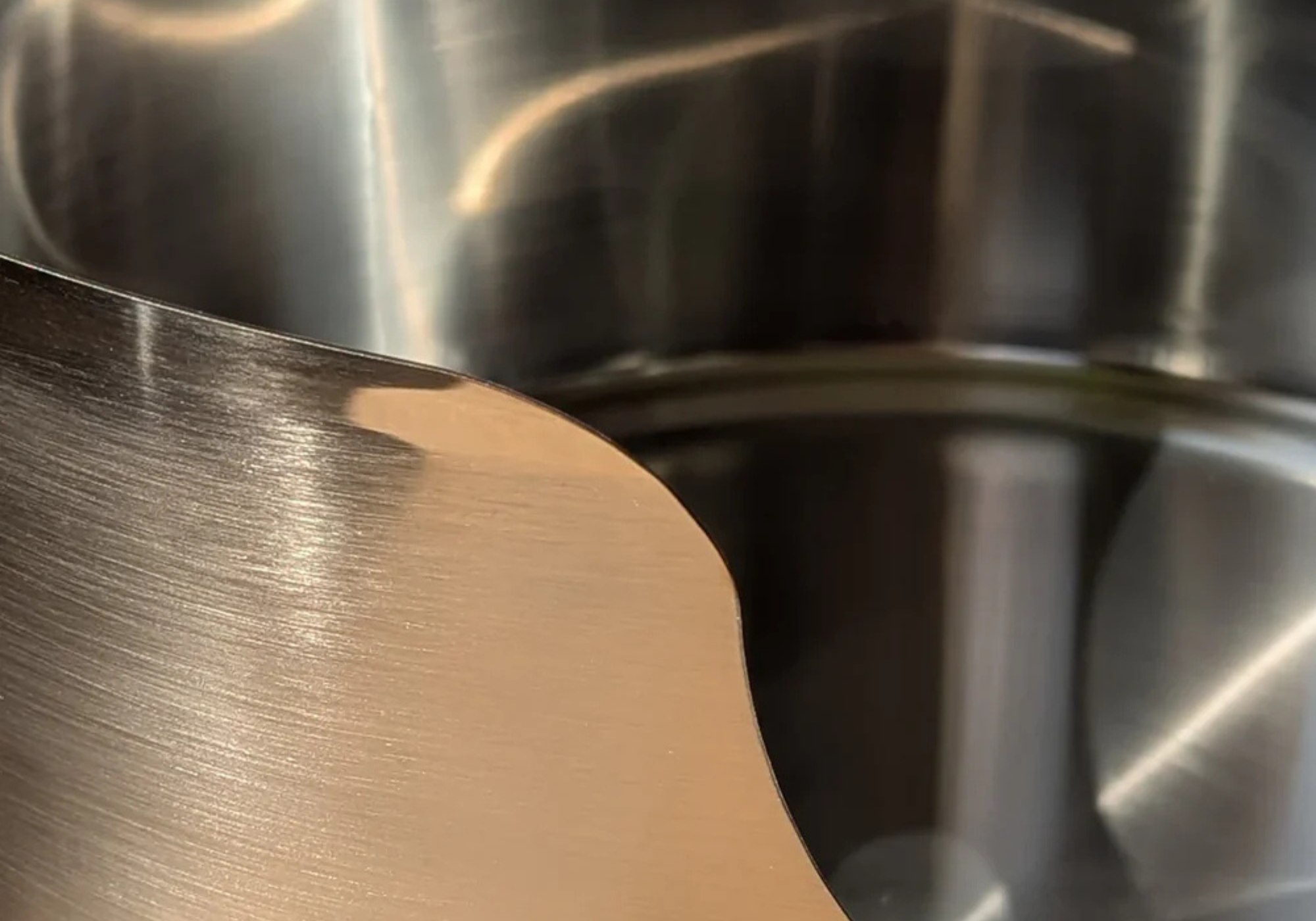
304-grade stainless resists corrosion, odor, and bacterial growth up to 10x better than lower grades. It’s safer for your cat, smarter for your home, and better for the planet.
The Difference Is in the Details
How 304-grade stainless steel outperforms lower metals and plastic in every way.
Corrosion Resistance
Very High (10+ years)
Moderate (1–2 years)
Low
Odor Absorption
<0.2% (virtually none)
4–6%
Up to 15%
Bacterial Growth
Extremely Low (99% less than plastic)
Moderate
Very High
Durability
10+ years
~2 years
1–2 years
Surface Porosity
Non-porous
Slightly porous
Highly porous
Chemical Safety
Food-grade, non-toxic
Potential leaching
Microplastics, BPA
Environmental Impact
100% recyclable
Limited recyclability
High waste
304-grade stainless steel is the same material trusted in hospitals and commercial kitchens for its safety and durability.
Need help?
Frequently Asked Questions
Look for explicit "304" or "18/8" markings in the product specs. Vague terms like "stainless steel" or "premium metal" without a grade number are almost always 201-grade. Every Huckwell Halo is certified 304-grade stainless steel.
Yes. 304-grade stainless steel is food-grade and non-toxic: the same standard used in pet food bowls, surgical tools, and commercial kitchen equipment. Unlike plastic, it contains no BPA, microplastics, or chemical coatings that can leach over time.
304-grade stainless steel is highly corrosion resistant and will not rust under normal household conditions. Lower grades like 201-grade steel can rust within 1–2 years, especially when exposed to ammonia in cat urine. Huckwell uses only 304-grade for this reason.
Cat urine contains high levels of ammonia which is corrosive over time. 201-grade steel degrades under repeated ammonia exposure, becoming porous and odor-absorbing: the same problem as plastic, just slower. 304-grade resists ammonia, maintaining a non-porous surface for the lifetime of the box.
Over time, yes significantly. A plastic litter box typically needs replacing every 1–2 years as it scratches, stains, and absorbs odor permanently. The Halo is built to last a decade or more , replacing 5–10 plastic boxes over its lifetime. The cost per year is actually lower than cycling through cheap plastic alternatives.
Each Huckwell box replaces 10+ plastic litter boxes over its lifetime.