
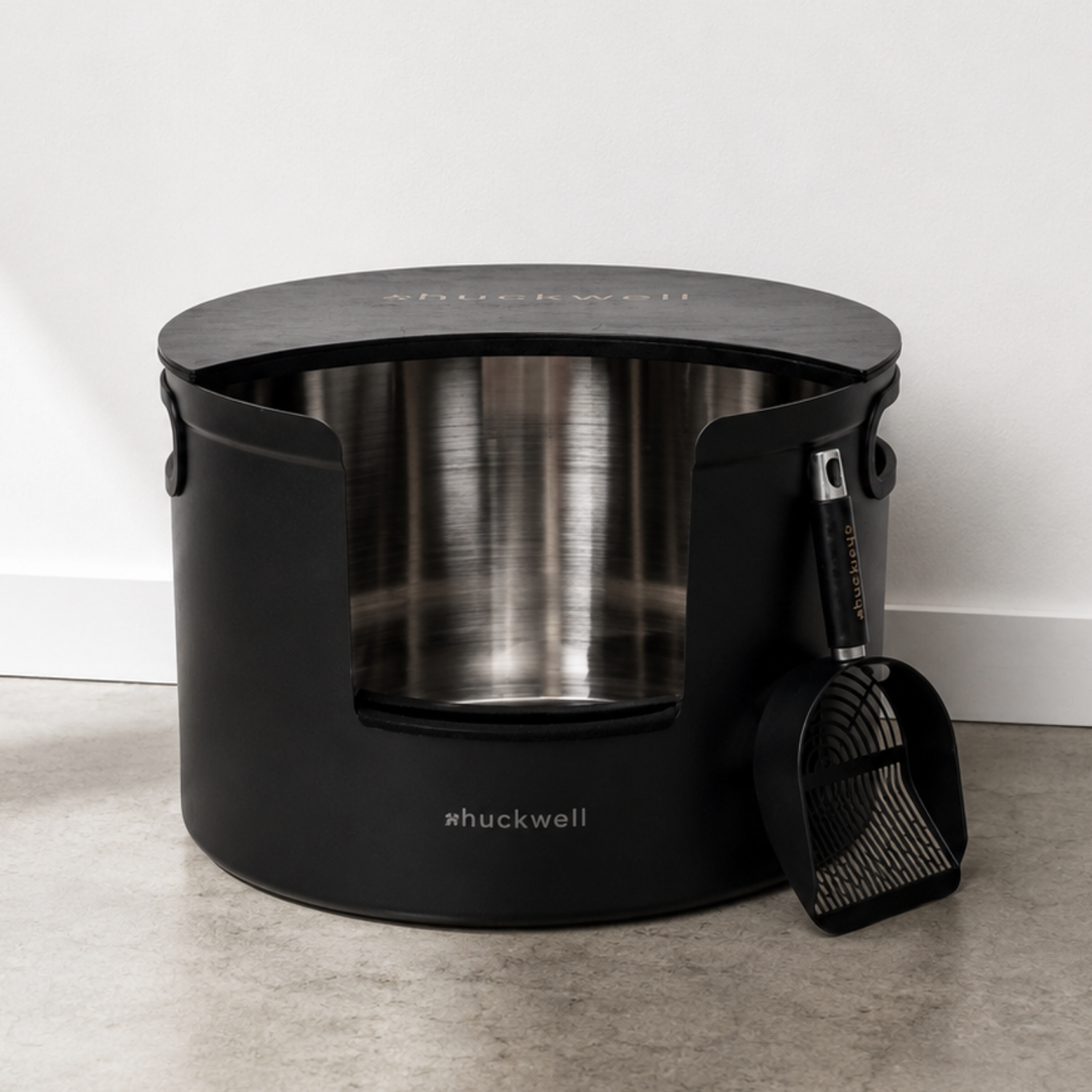
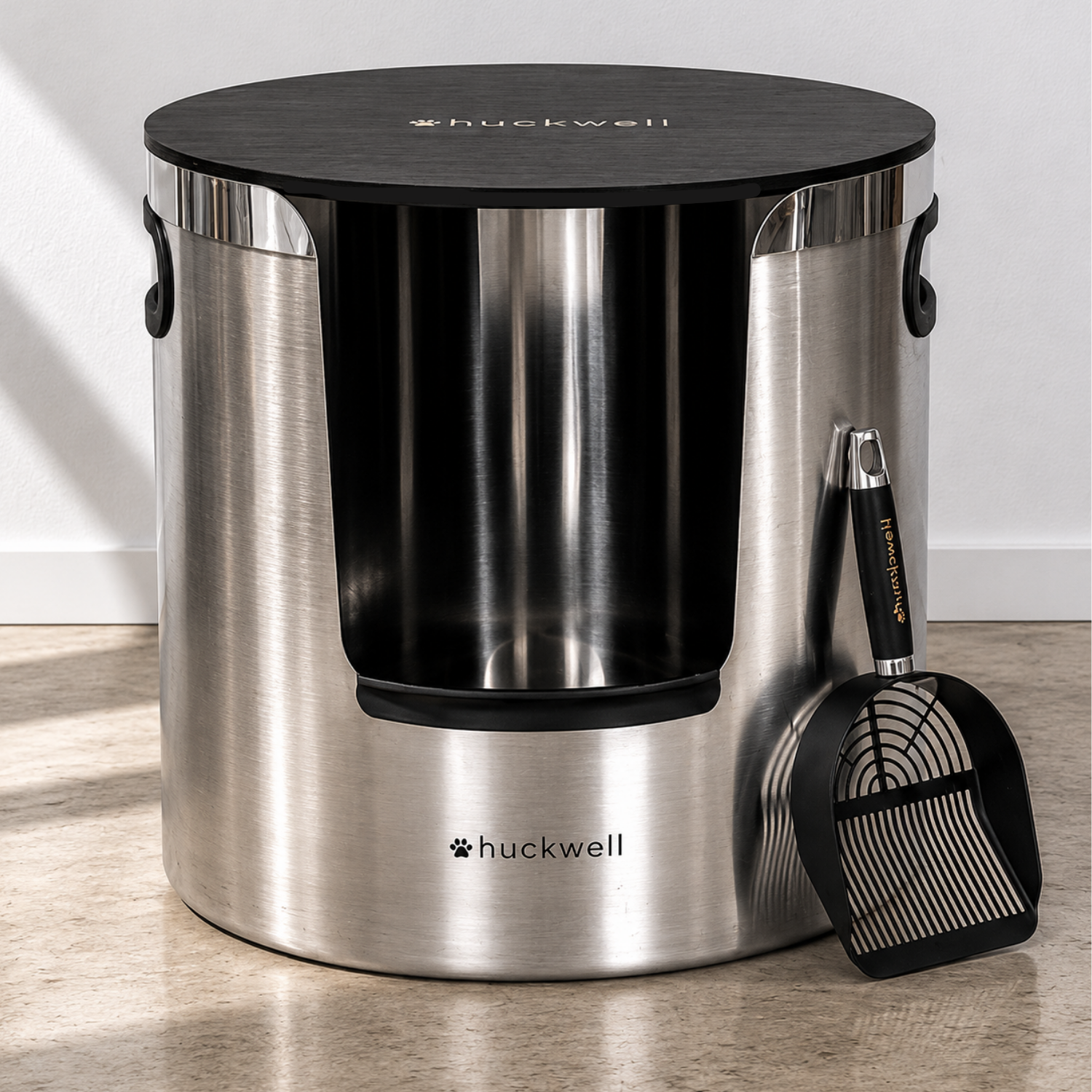
Article: Why 304 Grade Stainless Steel Beats 201 Stainless and Plastic for Cat Litter Boxes

Why 304 Grade Stainless Steel Beats 201 Stainless and Plastic for Cat Litter Boxes
Why 304 Grade Stainless Steel Beats 201 Stainless and Plastic for Cat Litter Boxes
Choosing the right litter box material is about more than looks. It affects your cat’s health, your cleaning routine, and how long the product lasts. Here’s why 304 grade stainless steel is the clear winner over 201 stainless steel and plastic, offering unmatched hygiene, durability, and sustainability.
1. Is 304 Stainless Steel Safe for Cats? Yes, and It’s Far Cleaner
Health and hygiene start with material quality. 304 stainless steel is food-grade, non-porous, and highly resistant to bacteria and odor absorption. It contains 8 to 10.5 percent nickel and 18 to 20 percent chromium, which create superior corrosion resistance even against acidic cat urine. By comparison, 201 stainless steel has less nickel and corrodes faster, sometimes within 6 to 12 months of daily use. Plastic litter boxes develop micro-scratches within months, trapping bacteria, odor, and even parasites. Smooth stainless steel surfaces block more than 99 percent of bacterial growth and prevent odor buildup. Unlike plastic or low-grade metals, 304 steel is non-toxic and hypoallergenic, free from microplastics, BPA, and chemical leaching. For cats prone to allergies or urinary tract issues, 304 stainless steel provides the safest and most hygienic environment.
2. How Long Does a 304 Stainless Steel Litter Box Last?
When it comes to durability, 304 grade stainless steel is built to last eight to ten years or more, far longer than cheaper metals or plastic alternatives. 201 stainless can rust or stain in as little as a year in humid or acidic conditions, while 304 grade maintains its structure for a decade or longer. Plastic litter boxes typically need replacement every one to two years due to odor buildup and scratching. The rigidity of 304 grade steel also prevents tipping and cracking, even with larger or more active cats. One 304 litter box can replace five to ten plastic boxes, cutting waste and long-term costs while reducing landfill pollution. In short, one purchase lasts for years.
3. Easier Cleaning and Better Hygiene
No one loves cleaning the litter box, but 304 stainless steel makes it faster and far more sanitary. The non-porous, smooth surface prevents waste adhesion and odor absorption, keeping daily scooping quick and clean. 304 stainless steel is dishwasher safe and resistant to all common cleaning agents, including vinegar and enzymatic cleaners. Plastic boxes trap ammonia and stain over time, while 304 steel keeps its polished finish and never absorbs odor. Covered 304 designs stay clean without trapping moisture or bacteria like multi-part plastic lids. Your cat’s box stays fresher and your home smells cleaner.
4. Eco-Friendly and Sustainable
Every 304 grade litter box is a step toward sustainability. 304 stainless steel is 100 percent recyclable, and its long lifespan reduces the need for frequent replacements. A single steel box prevents dozens of plastic boxes from ending up in landfills. Choosing 304 grade means supporting eco-conscious, long-lasting design values that are better for your cat and the planet.
5. Why 201 Grade Stainless Steel Doesn’t Measure Up
While 201 stainless steel looks similar, it doesn’t perform the same way. Its lower nickel and chromium content make it less resistant to rust and odor. It is thinner, more porous, and corrodes faster in acidic litter environments. Once its oxide layer breaks down, bacteria can colonize the surface and odors become trapped permanently. A shiny start fades quickly, often within the first year.
6. Comparison Chart: 304 vs 201 Stainless vs Plastic
|
|---|
Is a 304 Stainless Steel Litter Box Better for the Environment?
Yes, significantly. A single Halo litter box is designed to last a decade or more. The average plastic litter box gets replaced every one to two years due to odor buildup, scratching, and degradation. Over ten years that is five to ten plastic boxes going to landfill per cat.
304 stainless steel is also 100% recyclable at end of life. Unlike plastic, which downcycles or ends up in landfill, stainless steel can be fully reclaimed without loss of material quality.
For cat owners who think about the environmental footprint of what they bring into their home, the math is straightforward. One well-made stainless box replaces a decade of disposable plastic.
Conclusion: The Best Litter Box Material for Cats
For cat owners who care about hygiene, durability, and design, 304 grade stainless steel litter boxes are the superior choice. They are cleaner, safer, longer lasting, and better for the planet. Cheaper metals like 201 grade and plastic alternatives degrade quickly, harbor bacteria, and create unnecessary waste. Choose the premium, non-toxic, and sustainable option trusted by modern pet brands and veterinarians alike.
Ready to upgrade? Explore Huckwell’s collection of genuine 304 grade stainless steel litter boxes built for cats and designed for homes.

