
The Real Reason Your Cat’s Litter Box Smells (and the Fix Cat Owners Love)
A clean home starts with a clean litter box. If you are a cat owner, you already know that some litter boxes make that job easier than others. Lingering odors, staining, and constant scrubbing are not just annoying. They can actually affect your cat’s health and the air you breathe. The material your litter box is made from matters more than most people realize.
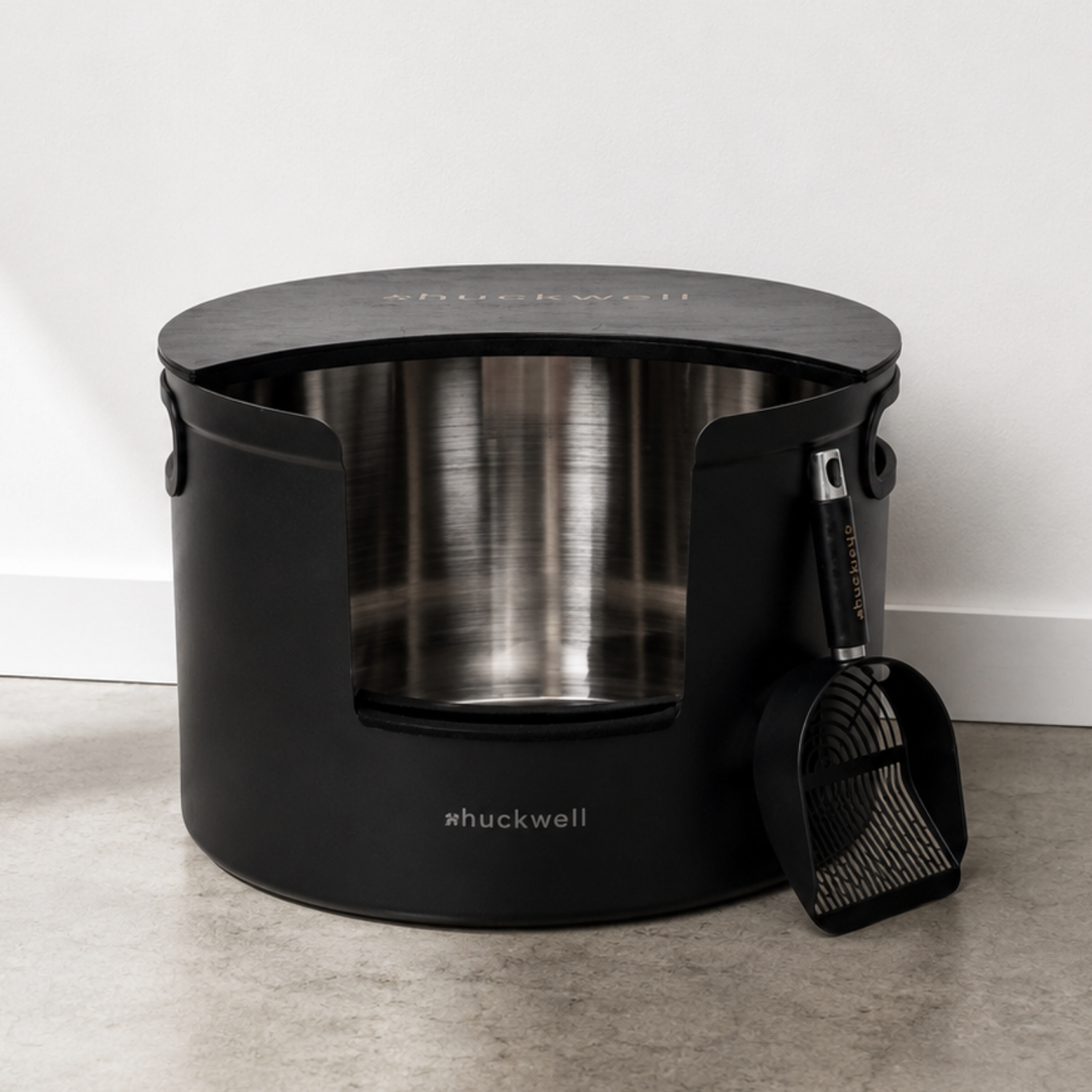
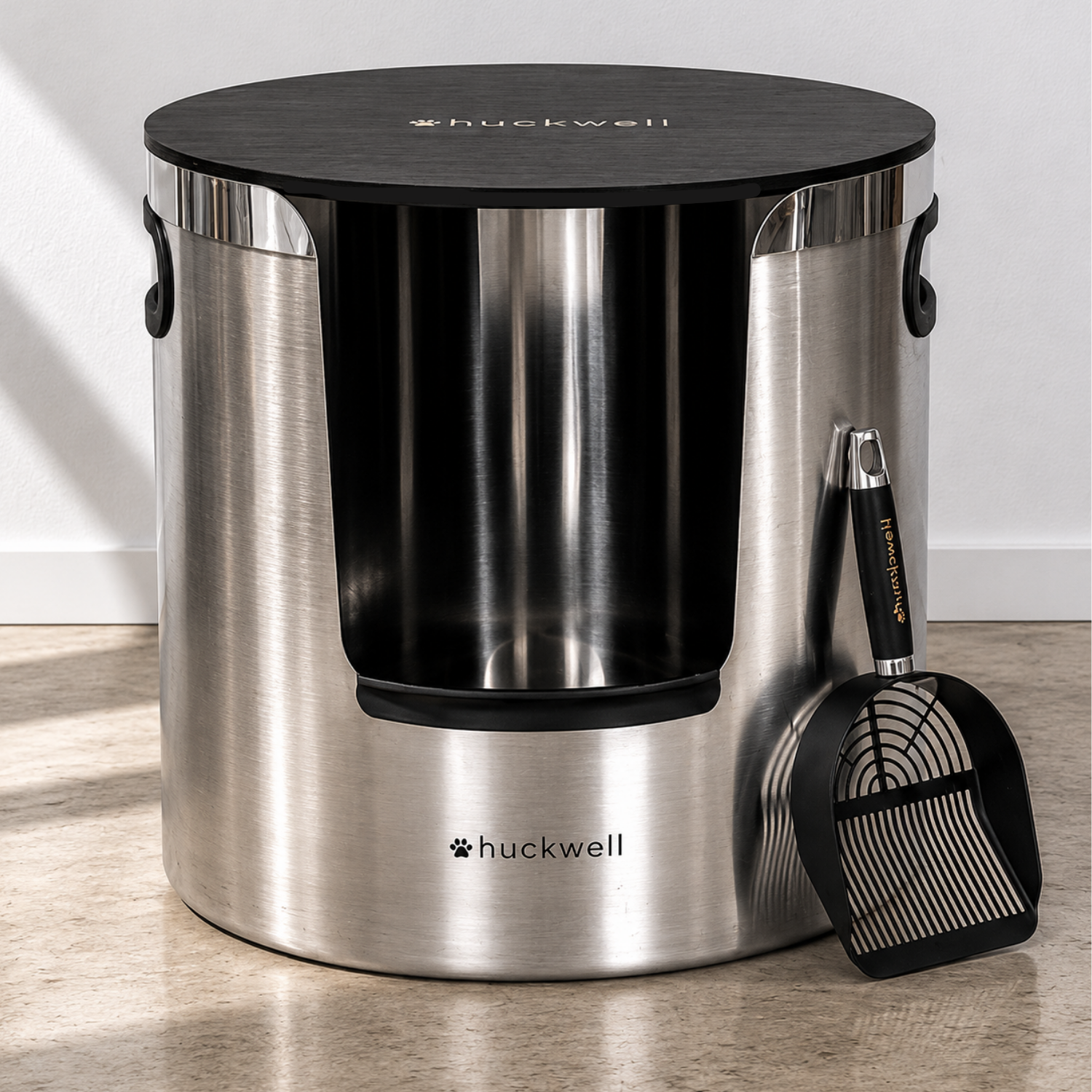
Let’s look at the biggest issues cat owners face with litter boxes and why switching to a 304 grade stainless steel litter box solves those problems for good.
The Hidden Problems with Plastic Litter Boxes
Plastic is everywhere in the pet aisle because it is cheap to produce. But it comes with several downsides that show up fast:
• Odor buildup: Plastic scratches easily. Urine sinks into tiny grooves, creating a trapped ammonia smell that never truly washes out.
• Bacteria growth: The porous surface of plastic gives germs a place to live and multiply. This can increase the risk of skin irritation and respiratory stress for both cats and humans.
• Staining and discoloration: Over time, plastic absorbs urine and cleaning chemicals. Even brand new litter will still look and smell dirty.
• Short lifespan: Cracking, warping, and odor retention mean plastic litter boxes are replaced every year or two. That becomes wasteful and more expensive long term.
• Potential chemical concerns: Some plastics can leach compounds when exposed to harsh cleaners or long term urine contact. Many pet owners prefer to avoid that risk entirely.
These issues do not improve with more scooping or extra deodorizer. The problem is the material itself.
Why Cats Prefer a Cleaner Surface
Cats have a much stronger sense of smell than we do. If a litter box smells even a little unpleasant to us, it may be overwhelming for them. When the box feels dirty or uncomfortable, they may avoid using it. That can lead to accidents around the home or stress behaviors.
A better litter box supports natural instincts: cleanliness and comfort.
The Benefits of 304 Grade Stainless Steel Litter Boxes
Stainless steel has been used in kitchens, hospitals, and veterinary clinics for decades because it is safe, durable, and incredibly hygienic. Those same properties make it an ideal litter box material.
Here is what sets 304 stainless steel apart:
• Non porous surface: No odor absorption. No hidden bacteria. Just a surface that wipes clean without special products.
• Highly scratch resistant: Daily scooping will not damage the finish, so ammonia smells never get trapped.
• Rust resistant and long lasting: 304 stainless steel handles moisture and cleaning without breaking down. Most owners will never need to replace it.
• Easier to clean: Smooth corners and a slick surface prevent waste from sticking. Cleaning takes seconds, not minutes.
• Better for the environment: One long lasting litter box equals fewer plastic boxes in landfills.
• Safe for cats: Food grade steel means no chemical leaching and no bacterial harboring that could irritate paws or skin.
• More comfortable: Many cats prefer the cooler, cleaner feel and are more willing to use it consistently.
The Bottom Line
If you are tired of dealing with cat litter odor, daily scrubbing, or replacing plastic boxes again and again, switching the material is one of the simplest upgrades you can make. A 304 grade stainless steel litter box keeps your home fresher, supports better hygiene, and provides a cleaner experience for your cat.
Plastic might seem cheaper at first, but stainless steel saves money and frustration over time. It is a long term solution to one of the most common struggles cat owners face.