How to Clean a Stainless Steel Litter Box
How do you clean a stainless steel litter box?
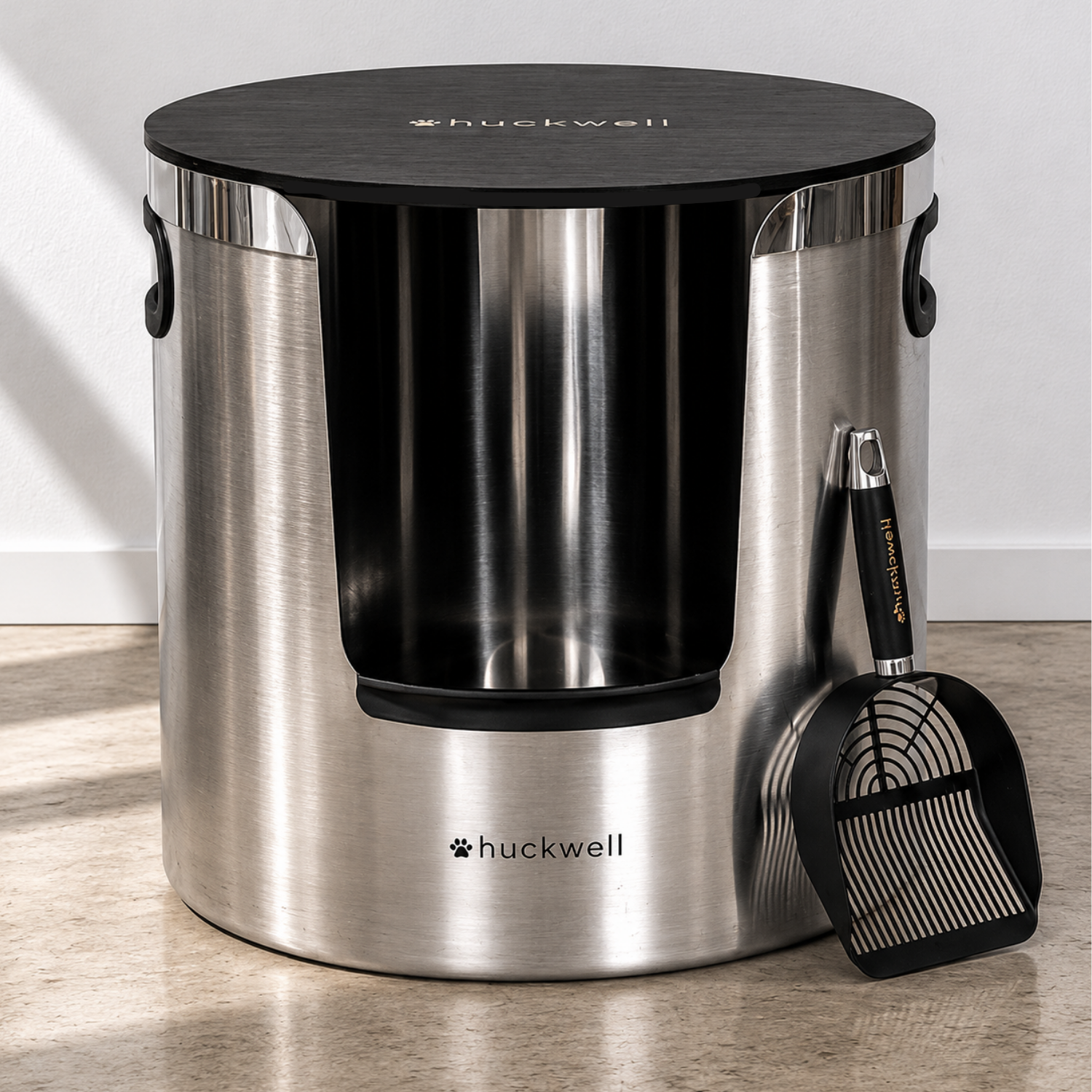
To clean a stainless steel litter box, scoop waste daily, wipe the surface with warm water as needed, and wash weekly using mild dish soap and a soft cloth. Avoid abrasive scrubbers and harsh chemicals. Because stainless steel is non-porous, odors and bacteria rinse away easily without deep scrubbing.
Why stainless steel litter boxes are easier to clean
Unlike plastic, stainless steel does not absorb odors, stains, or bacteria. Plastic litter boxes develop microscopic scratches over time that trap waste and smells, even after washing. 304 Stainless steel stays smooth and hygienic, making routine cleaning faster and more effective.
How often should you clean a stainless steel litter box?
-
Daily: Scoop solid waste and clumps to maintain freshness.
-
As needed: Wipe down interior surfaces with warm water if residue is visible.
-
Weekly or biweekly: Perform a full wash depending on usage and number of cats.
Most homes find that stainless steel requires less frequent deep cleaning than plastic.
How to deep clean a stainless steel litter box
-
Empty all litter into a trash bag.
-
Rinse the box with warm water to remove loose residue.
-
Wash using mild dish soap and a soft sponge or cloth.
-
Rinse thoroughly to remove soap residue.
-
Dry completely with a towel or allow to air dry before refilling.
Because stainless steel is non-porous, odors do not linger once the surface is clean.
What cleaners should you avoid on stainless steel litter boxes?
Avoid:
-
Abrasive scrubbers or steel wool
-
Bleach or ammonia
-
Harsh disinfectants or acidic cleaners
-
Powdered or gritty cleaners
These products can damage the surface finish and are unnecessary for proper sanitation.
How do you remove odors from a stainless steel litter box?
In most cases, warm water and mild soap are enough. If extra deodorizing is needed, a diluted vinegar rinse can be used occasionally. Rinse well afterward. Persistent odors usually indicate old litter or insufficient daily scooping, not the box itself.
Why stainless steel litter boxes stay cleaner long-term
Stainless steel does not degrade, scratch, or absorb waste over time. With proper care, it maintains its hygienic surface for years, making it a long-term upgrade from plastic boxes that often need frequent replacement.
Frequently Asked Questions
Can you use vinegar on a stainless steel litter box?
Yes. Diluted vinegar can be used occasionally, but mild dish soap is sufficient for regular cleaning.
Do stainless steel litter boxes smell over time?
No. Stainless steel is non-porous, so odors do not absorb into the material.
How often should you deep clean a stainless steel litter box?
Most households deep clean once every one to two weeks.
Is stainless steel safe for cats?
Yes. High-quality stainless steel is non-toxic, easy to sanitize, and commonly used for pet bowls and medical equipment.