Why Guinea Pigs and Rabbits Need Cleaner Living Surfaces
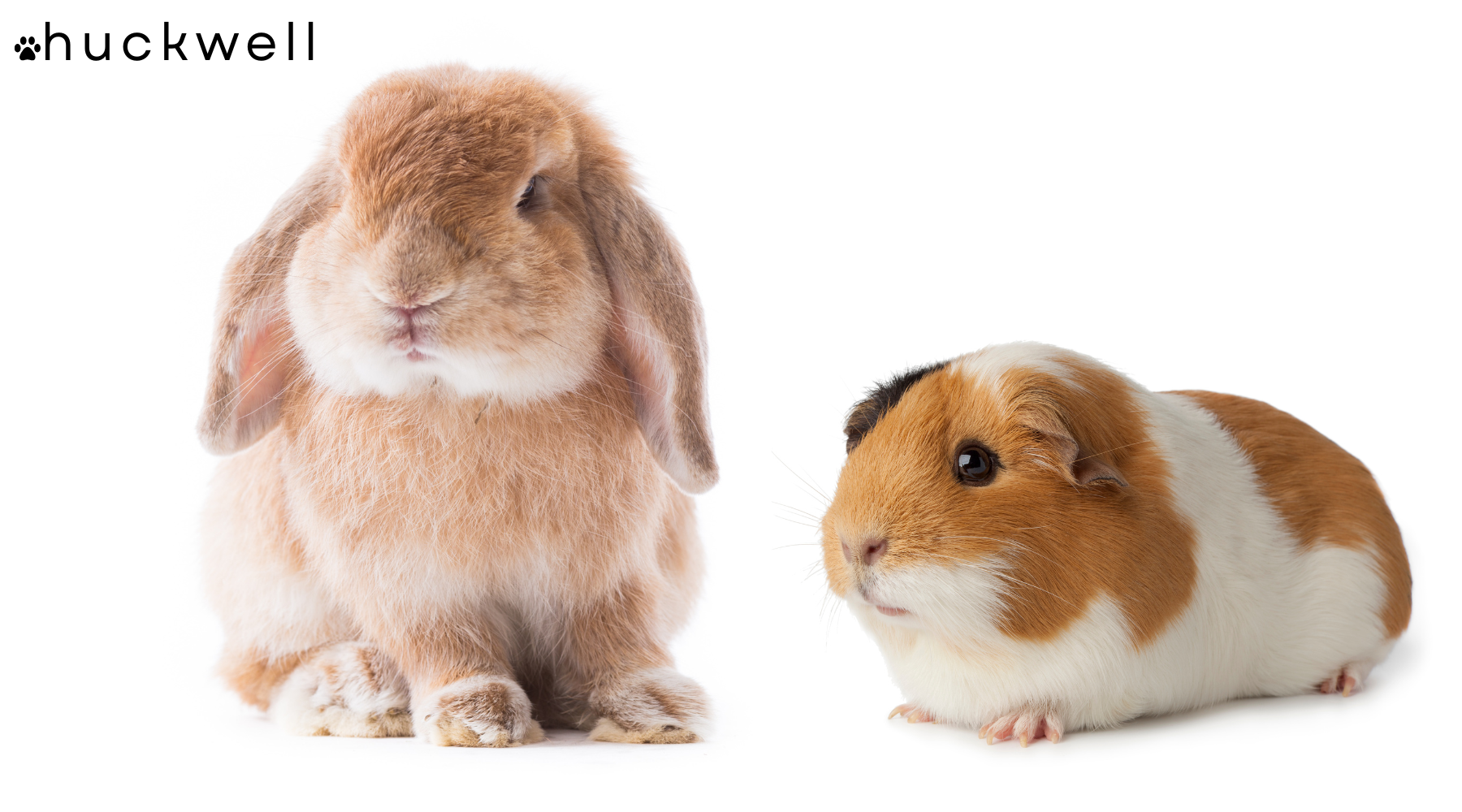
Guinea pigs and rabbits spend far more time in contact with their enclosure surfaces than cats do. They sit, rest, eat, and move directly on bedding and litter areas, which makes cleanliness and material choice especially important. Because their respiratory systems are sensitive and their skin is delicate, the surfaces used in their habitat can directly affect their long-term health.
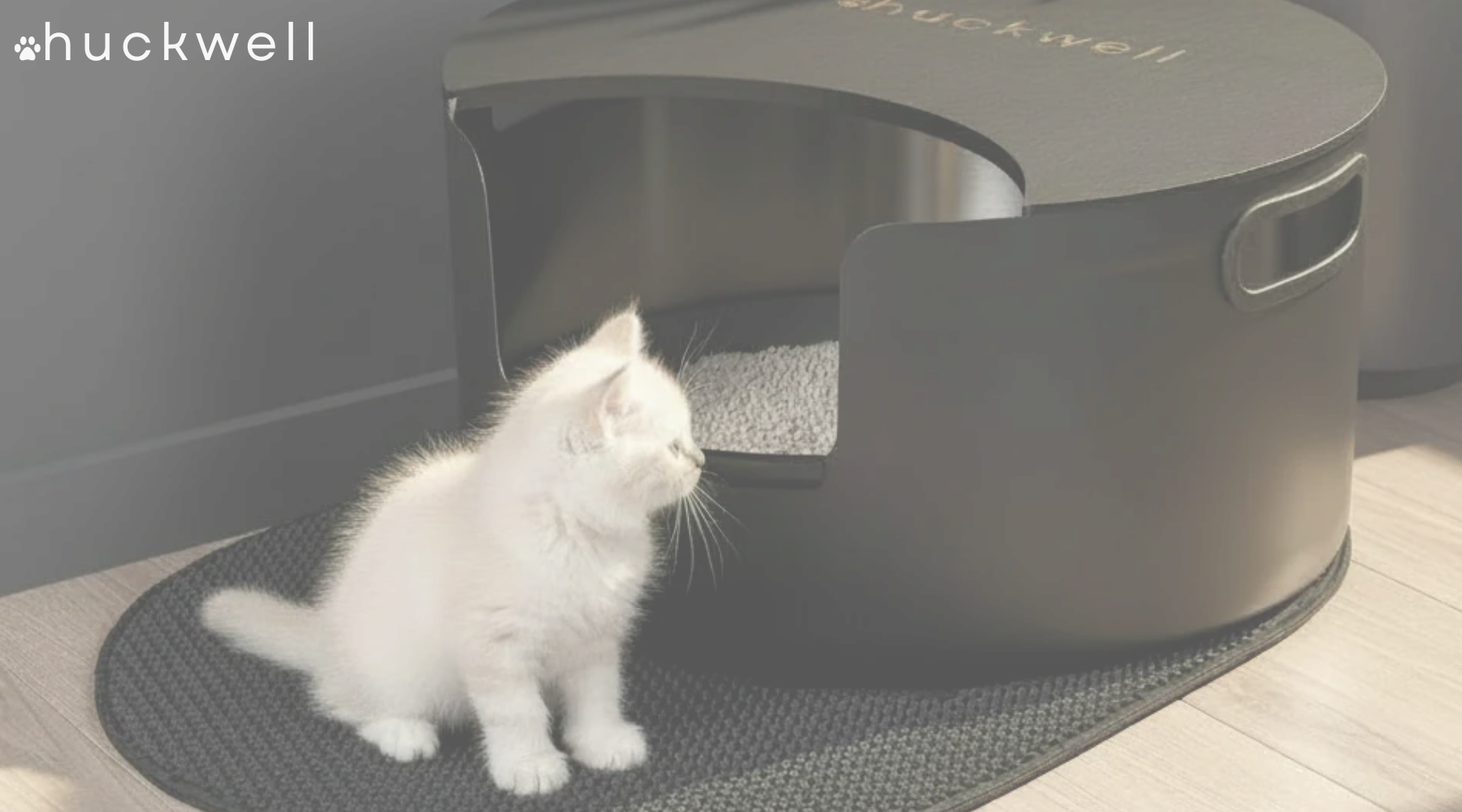
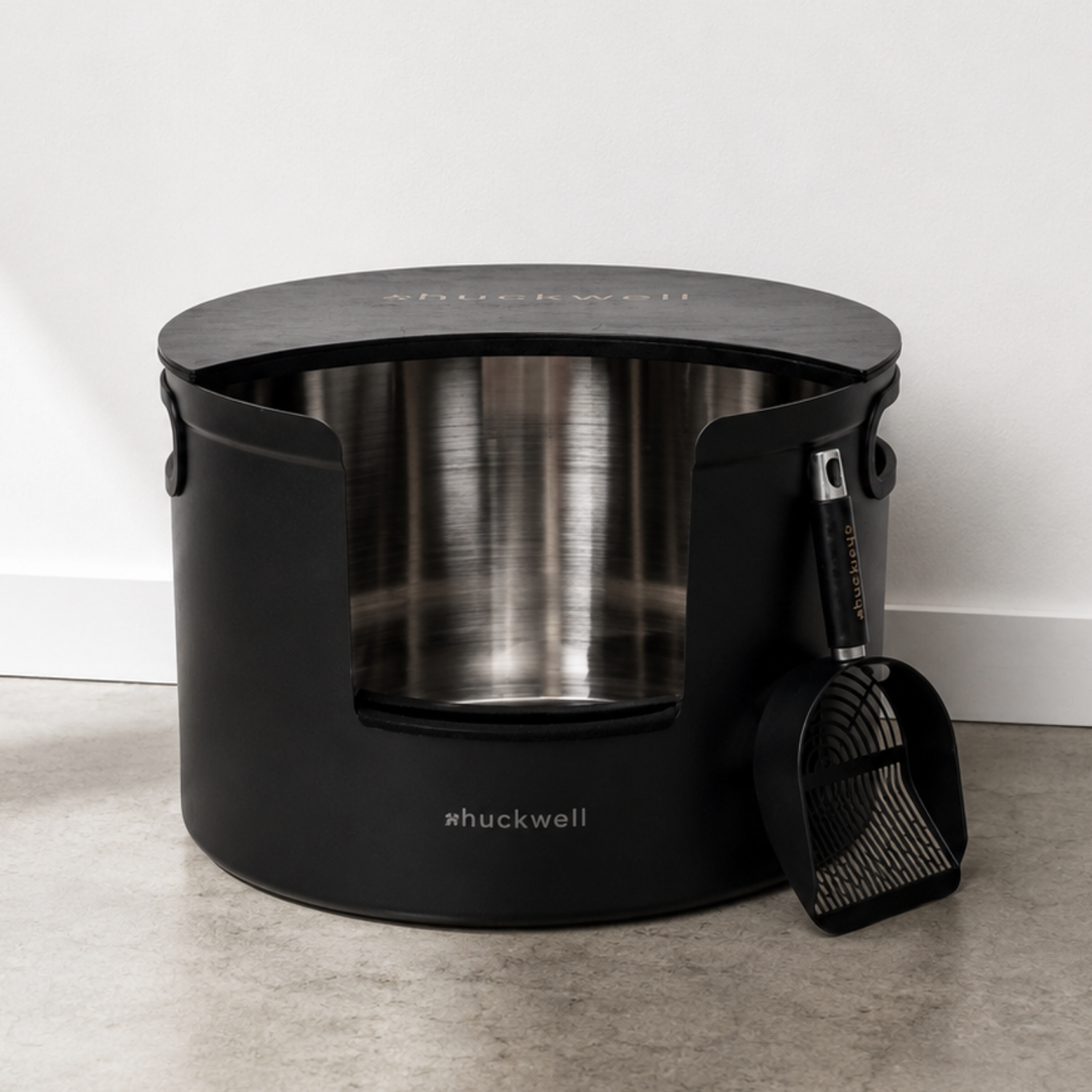
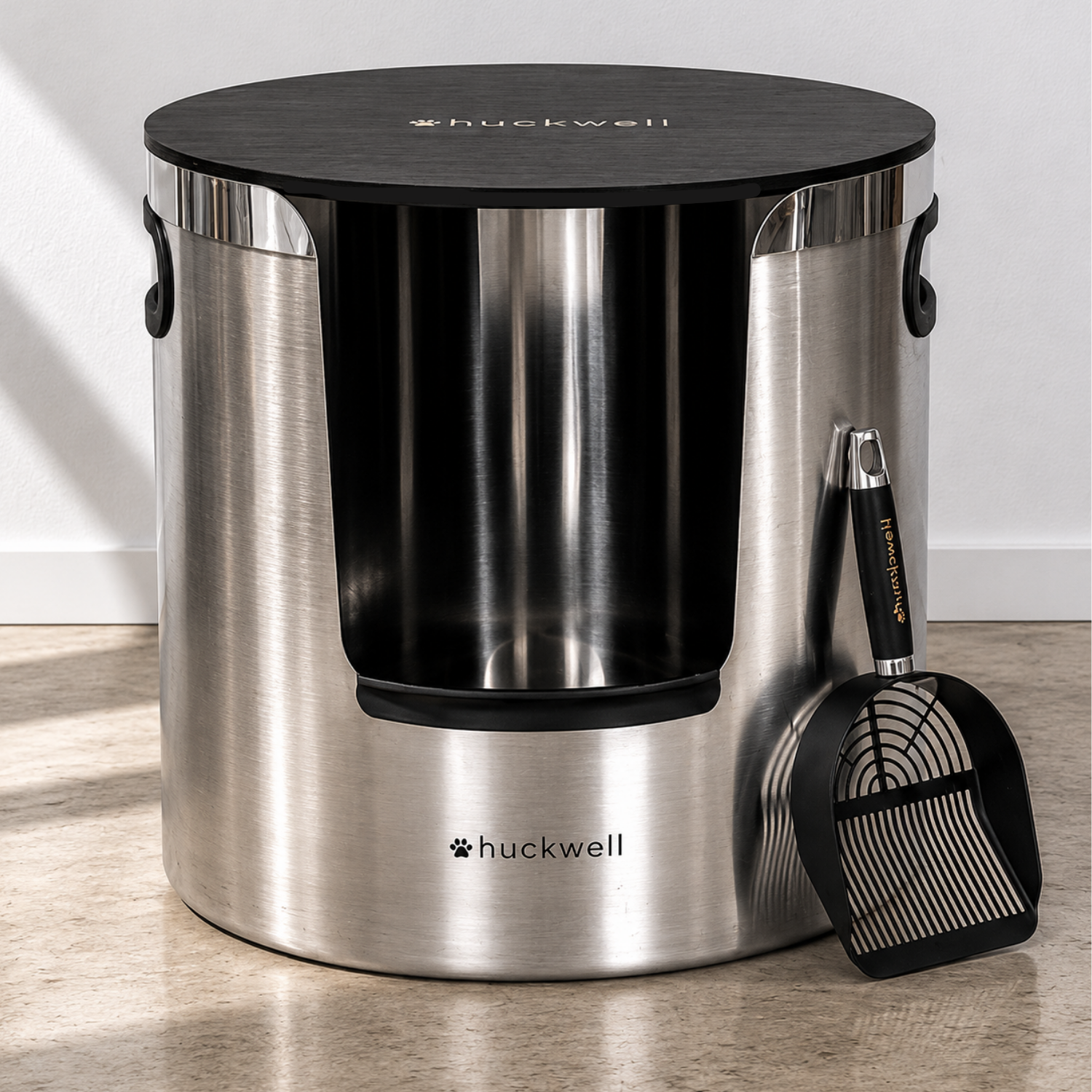
A 304 stainless steel litter box offers a safer, more hygienic alternative to plastic trays and pans commonly used in small animal enclosures.
The Health Benefits of Stainless Steel for Small Animals
Non-Porous Surfaces Reduce Bacteria and Mold
Plastic litter trays absorb urine over time, even when cleaned regularly. This trapped moisture creates an ideal environment for bacteria, mold, and ammonia buildup, which can lead to respiratory irritation and skin issues in guinea pigs and rabbits.
Stainless steel is completely non-porous. It does not absorb urine, moisture, or odors, allowing for a truly clean surface after each wash. This significantly reduces bacterial growth in areas where small animals spend much of their day.
Improved Respiratory Health
Guinea pigs and rabbits are particularly prone to respiratory problems. Ammonia fumes from urine-soaked plastic trays and damp bedding are a common but often overlooked contributor.
Because stainless steel does not retain urine or odor, it helps minimize ammonia buildup inside enclosures. This creates a cleaner air environment and supports healthier breathing, especially in indoor habitats.
Easier, More Effective Cleaning
Small animal litter areas often require frequent cleaning to maintain hygiene. Plastic trays scratch easily, and those scratches trap waste and bacteria that are difficult to remove.
Stainless steel resists scratching and releases waste easily when rinsed. It can be cleaned thoroughly with warm water and mild soap, making routine maintenance faster and more effective without relying on harsh chemicals.
Safer for Chewers
Rabbits and guinea pigs naturally chew on their surroundings. Plastic trays can be gnawed, creating sharp edges and ingestible fragments that pose a serious health risk.
Stainless steel cannot be chewed or broken down. This makes it a safer option for animals that explore their environment with their teeth and helps prevent accidental ingestion of harmful materials.
Better Temperature and Comfort Control
Plastic surfaces can retain heat and moisture, especially in enclosed habitats. This can lead to damp conditions that irritate skin and promote bacterial growth.
Stainless steel remains cooler and dries quickly, helping maintain a more comfortable and hygienic environment for animals that rest directly on or near their litter area.
Long-Term Durability and Habitat Stability
Many plastic litter trays need frequent replacement due to odor retention, staining, or damage from chewing. Stainless steel litter boxes are built to last, maintaining their cleanliness and structure over time.
This durability allows pet owners to create a stable, consistent habitat, which is beneficial for animals that thrive on routine and familiarity.
Is Stainless Steel Safe for Guinea Pigs and Rabbits?
Yes. When properly designed with smooth edges and appropriate sizing, stainless steel litter boxes are safe for guinea pigs and rabbits. The material is non-toxic, food-safe, and commonly used in medical and veterinary environments.
Best Bedding and Litter to Pair With Stainless Steel
Paper-based bedding, kiln-dried pine pellets, or tofu-based litters pair especially well with stainless steel trays. These materials absorb moisture efficiently while allowing the stainless surface to stay clean and odor-free underneath.
The Takeaway
Guinea pigs and rabbits require cleaner, safer environments than many pet owners realize. Stainless steel litter boxes offer superior hygiene, better odor control, reduced respiratory irritation, and improved safety compared to plastic alternatives.
By choosing 304 stainless litter box, you create a healthier habitat that supports your small animal’s comfort, cleanliness, and well-being every day.