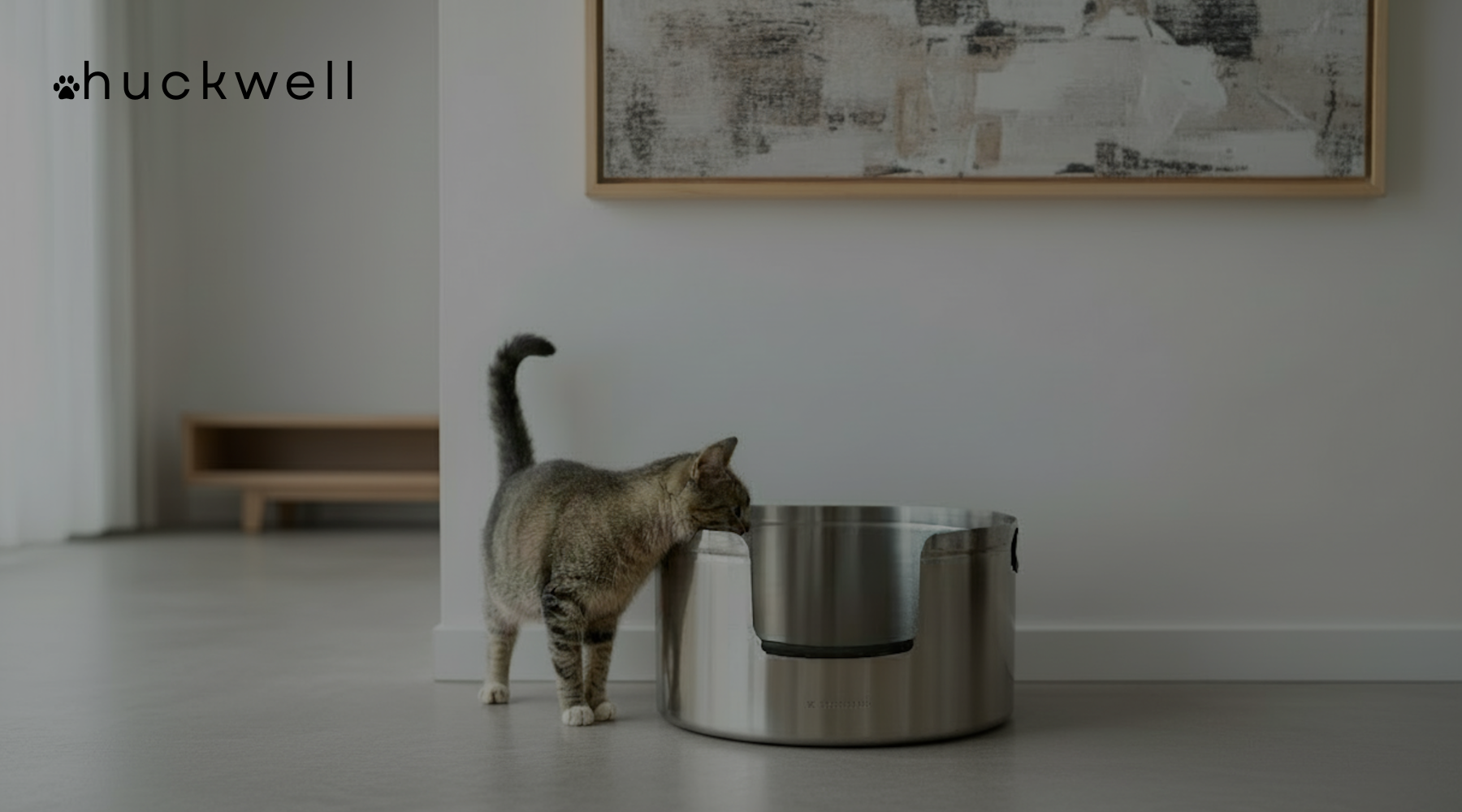
How to Transition Your Cat to a New Litter Box
The short answer: Place the new litter box next to the old one, use the same litter your cat already uses, and let them explore at their own pace. Most cats transition within 1 to 7 days. Do not remove the old box until your cat is consistently using the new one.
Cats are creatures of habit. Change anything about their routine and they will let you know about it. A new litter box is one of the changes cats can be most resistant to, which is why many people put off upgrading even when they know their current box is not working well.
The good news is that with the right approach, most cats transition to a new litter box with minimal fuss. Here is exactly how to do it.
Why Cats Resist New Litter Boxes
Understanding why cats resist litter box changes makes the transition process much easier.
Cats rely on scent to identify safe and familiar spaces. Their current litter box, however unpleasant it smells to you, smells familiar to them. A brand new box smells of nothing they recognize, which can make cats cautious about using it initially.
This is particularly true for cats switching from plastic to stainless steel. The material smells completely different. A plastic box that has been used for months carries a scent profile your cat has come to associate with safety and habit. A new stainless steel box has no scent at all, which can initially feel unfamiliar.
The solution is not to force the transition quickly. It is to help your cat build a positive association with the new box at their own pace.
Step by Step Transition Guide
Step 1: Place the New Box Next to the Old One
Do not remove the old litter box when the new one arrives. Place the new Halo next to the existing box in the same location.
This gives your cat immediate access to both options without forcing a change. Many cats will investigate the new box out of curiosity within the first few hours.
Step 2: Use the Same Litter
Fill the new box with the same litter your cat already uses. This is important. Changing the litter type at the same time as the box doubles the variables and makes it harder to identify what your cat is reacting to if they do show resistance.
Fill the new box to the same depth your cat is used to, typically 3 to 4 inches.
Step 3: Add a Small Amount of Used Litter
This sounds counterintuitive but it works. Transfer a small scoop of used litter from the old box into the new one. This introduces a familiar scent into the new box and signals to your cat that it is an appropriate place to go.
You only need a small amount. The goal is scent familiarity, not contamination of the new box.
Step 4: Let Your Cat Explore
Do not place your cat in the new box or try to show them how to use it. Cats do not respond well to being guided by humans in this area. Let them explore the new box on their own terms.
Most cats will sniff the new box within the first day. Many will use it within 2 to 3 days simply because the familiar litter scent makes it feel like an acceptable option.
Step 5: Keep Both Boxes Clean
During the transition period, scoop both boxes daily. A cat that finds their old box dirty may try the new one out of necessity, which is one of the most effective natural ways to encourage the switch.
Step 6: Phase Out the Old Box
Once your cat is using the new Halo consistently, you can start phasing out the old box. Do not rush this step. Wait until your cat has used the new box multiple times over several days before removing the old one.
When you do remove the old box, do it gradually if your cat seems hesitant. Move it a few feet away from the new box each day rather than removing it completely overnight.
What to Do If Your Cat Refuses the New Box
Some cats take longer than others. If your cat is not using the new box after 5 to 7 days, try the following:
Check the location. Cats prefer litter boxes in quiet, low-traffic areas with an easy escape route. If the new box is in a different location than the old one, move it to match.
Check the litter depth. Some cats are particular about litter depth. Try adjusting the amount of litter in the new box, both more and less, to see if your cat responds differently.
Add more used litter. If the scent transfer from step 3 did not work, try adding a larger scoop of used litter to strengthen the familiar scent signal.
Try leaving the new box without the lid initially. If your Halo came with a lid, try leaving it off during the transition period. Some cats prefer to assess a new box fully open before accepting a covered version.
Be patient. The record for a Huckwell customer's cat accepting the new box is 14 days. It is rare to take that long but it happens. Consistency and patience are more effective than intervention.
Transitioning Kittens vs Adult Cats
Kittens are generally much easier to transition than adult cats. They have less established habit and are more likely to investigate and accept new things out of curiosity. Most kittens will use a new box on the first day.
Adult cats, particularly cats that have used the same box for years, may take longer. Senior cats can be the most resistant to change. Extra patience and a slower transition timeline helps with older cats significantly.
Shop Halo Litter Boxes for Kittens
Why Cats Usually Prefer the Halo Once They Switch
Once cats are using the Halo consistently, the most common feedback from owners is that their cat actually prefers it over the old box.
This makes sense from a feline perspective. Cats are fastidiously clean animals. A litter box that genuinely stays cleaner because its non-porous surface does not absorb waste and odor is, from your cat's perspective, simply a better bathroom. Cats that previously showed avoidance behavior toward a plastic box that had developed persistent odor will often use a stainless steel replacement without hesitation once the scent familiarity is established.
The round design also plays a role. The absence of corners means a cat can circle naturally without interruption, which mirrors the behavior they would exhibit in an outdoor environment.
Why Huckwell uses a round design
Frequently Asked Questions
How long does it take a cat to adjust to a new litter box?
Most cats adjust within 1 to 7 days. Kittens often accept a new box on the first day. Adult cats with long-established habits may take up to 2 weeks. Patience and keeping both boxes available during the transition are the most important factors.
Should I put the new litter box in the same spot as the old one?
Yes, at least initially. Cats associate litter box location with safety and habit. Keeping the new box in the same location as the old one reduces the number of variables your cat needs to adjust to at once.
Can I use a different litter in the new box?
It is best to use the same litter your cat is accustomed to during the transition. Once your cat is consistently using the new box, you can gradually introduce a different litter if desired, mixing increasing amounts of the new litter with the old over 1 to 2 weeks.
My cat used the new box once and then stopped. What should I do?
This is normal. Using a new box once does not mean full acceptance. Keep both boxes available, keep both clean, and continue the transition process. One use is a positive sign that your cat is open to the new box. Consistency over the following days usually leads to full adoption.
Do I need to do anything special to prepare a stainless steel litter box before use?
Rinse the new Halo with warm water before first use to remove any residue from packaging. No special treatment is needed. Fill with your cat's usual litter to the normal depth and follow the transition steps above.
Will my cat be put off by the smell of a new stainless steel box?
Stainless steel is essentially odorless, which can initially feel unfamiliar to a cat used to a plastic box with an established scent profile. Adding a small amount of used litter to the new box is the most effective way to address this. The familiar litter scent overrides the unfamiliar material scent quickly.
Cat essentials, built to human standards.