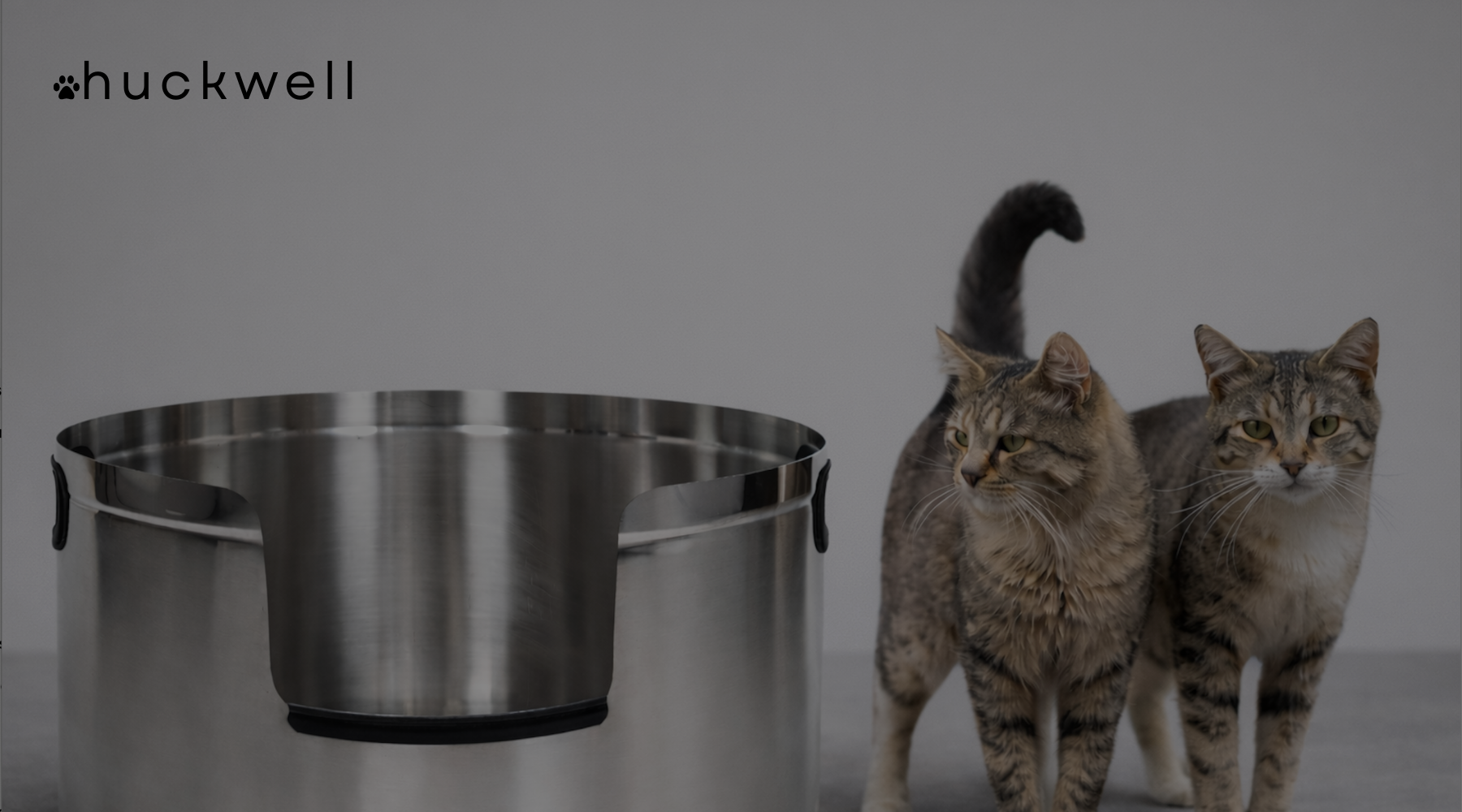
Are Stainless Steel Litter Boxes Safe for Cats?
The short answer: Yes. 304-grade stainless steel is food-grade, non-toxic, and completely safe for cats. It contains no BPA, microplastics, or chemical coatings. It is the same material standard used in pet food bowls, surgical instruments, and commercial kitchen equipment. Stainless steel is actually significantly safer than plastic, which can leach chemicals and harbor bacteria in surface scratches over time.
If you are considering switching from a plastic to a stainless steel litter box, safety is probably one of your first questions. Your cat comes into contact with their litter box every day and you want to know that the material is not a concern.
Here is the complete answer.
Is Stainless Steel Toxic to Cats?
No. 304-grade stainless steel is non-toxic and food-grade certified. It does not leach chemicals, does not off-gas, and does not react with cat urine or waste in any way that produces harmful compounds.
The "304" grade designation is important here. 304-grade stainless steel is the standard used in pet food bowls, water bowls, surgical instruments, food processing equipment, and commercial kitchens specifically because of its safety and stability. It is the most rigorously tested grade of stainless steel for contact with food and biological materials.
Not all stainless steel carries this certification. Lower grades like 201-grade steel are not food-grade certified and have a different chemical composition that behaves differently over time. This is why the grade matters, not just the material category.
What the difference between 304 and 201-grade stainless steel actually means
Is Stainless Steel Safer Than Plastic for Cats?
Yes, significantly, and this is the comparison most cat owners have not considered carefully.
Plastic litter boxes are made from polypropylene and similar compounds that are generally considered safe when new. The problems develop with use.
As plastic scratches, which happens quickly with regular cat use, the surface becomes compromised. Scratched plastic can harbor up to 100,000 bacteria per square centimeter. The scratched surface also becomes more porous, and some plastics can leach compounds including BPA and microplastics into contact surfaces when their structural integrity is compromised.
Your cat paws the litter box surface, then grooms themselves. Whatever is on or in that surface has a pathway into your cat.
304-grade stainless steel does not scratch in the same way and does not degrade under normal litter box use. Its surface remains stable and non-porous over the lifetime of the box. There are no chemical compounds to leach and no surface degradation that creates hygiene concerns.
What About Cats That Chew or Lick the Litter Box?
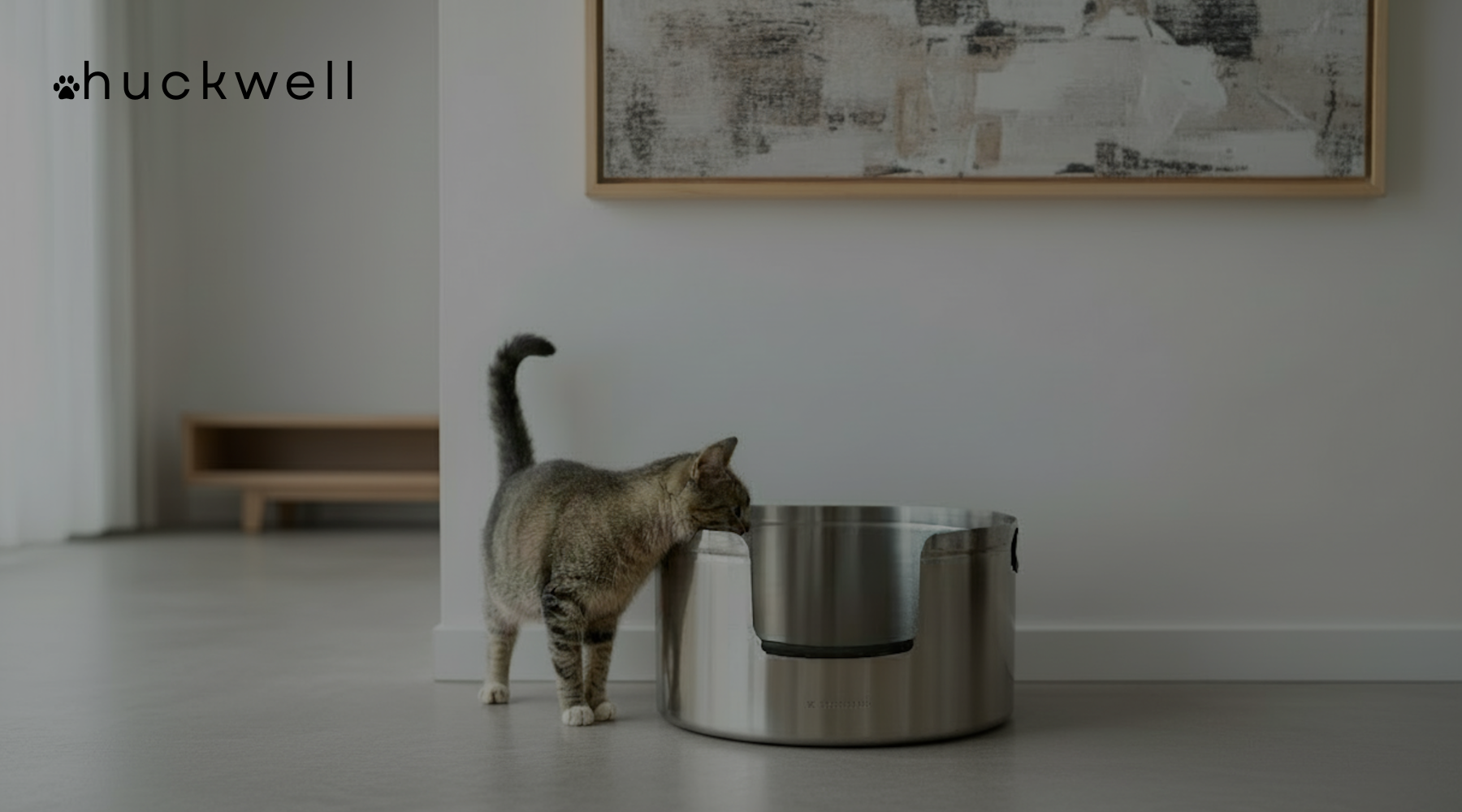
Some cats investigate their environment with their mouths, and a new stainless steel litter box may attract some initial investigation.
304-grade stainless steel is safe even with direct contact of this kind. It is the same material used to make pet food and water bowls for exactly this reason. The surface does not chip, crack, or flake off, and it does not contain compounds that are harmful if contacted orally.
If your cat actively chews on hard surfaces as a habitual behavior rather than just investigating something new, that is worth discussing with your vet as it can sometimes indicate a dietary deficiency or dental issue. But a cat sniffing, licking, or briefly mouthing a new stainless steel litter box during the adjustment period is not a safety concern.
Is the Round Shape Safe for Cats?
Yes. The round shape of the Halo is specifically designed with cat safety and comfort in mind.
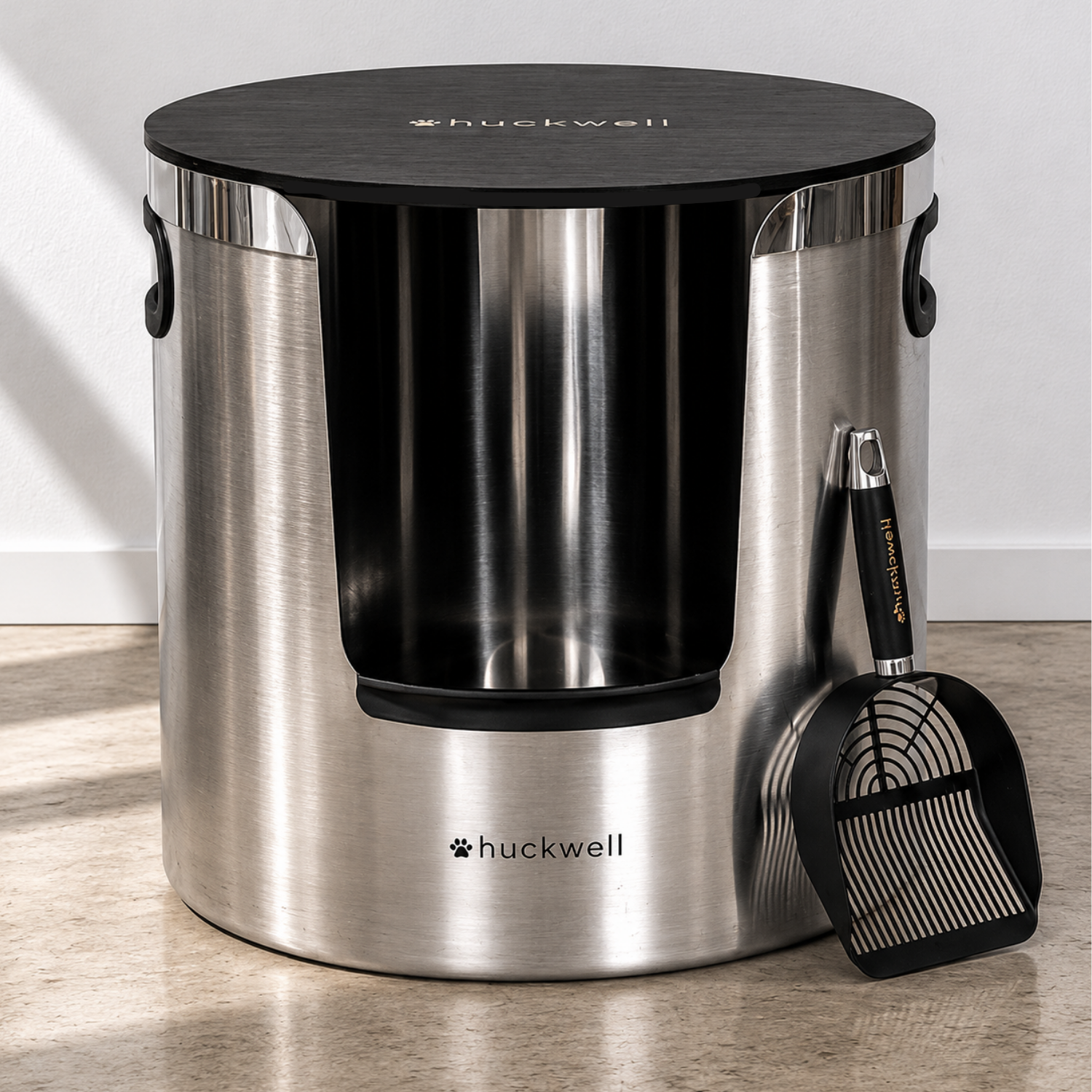
Rectangular litter boxes have corners, and the junction between walls and floor in a corner creates an angle that can be uncomfortable for cats to press against. The Halo's smooth, curved interior has no sharp angles or hard corners for a cat to come into contact with.
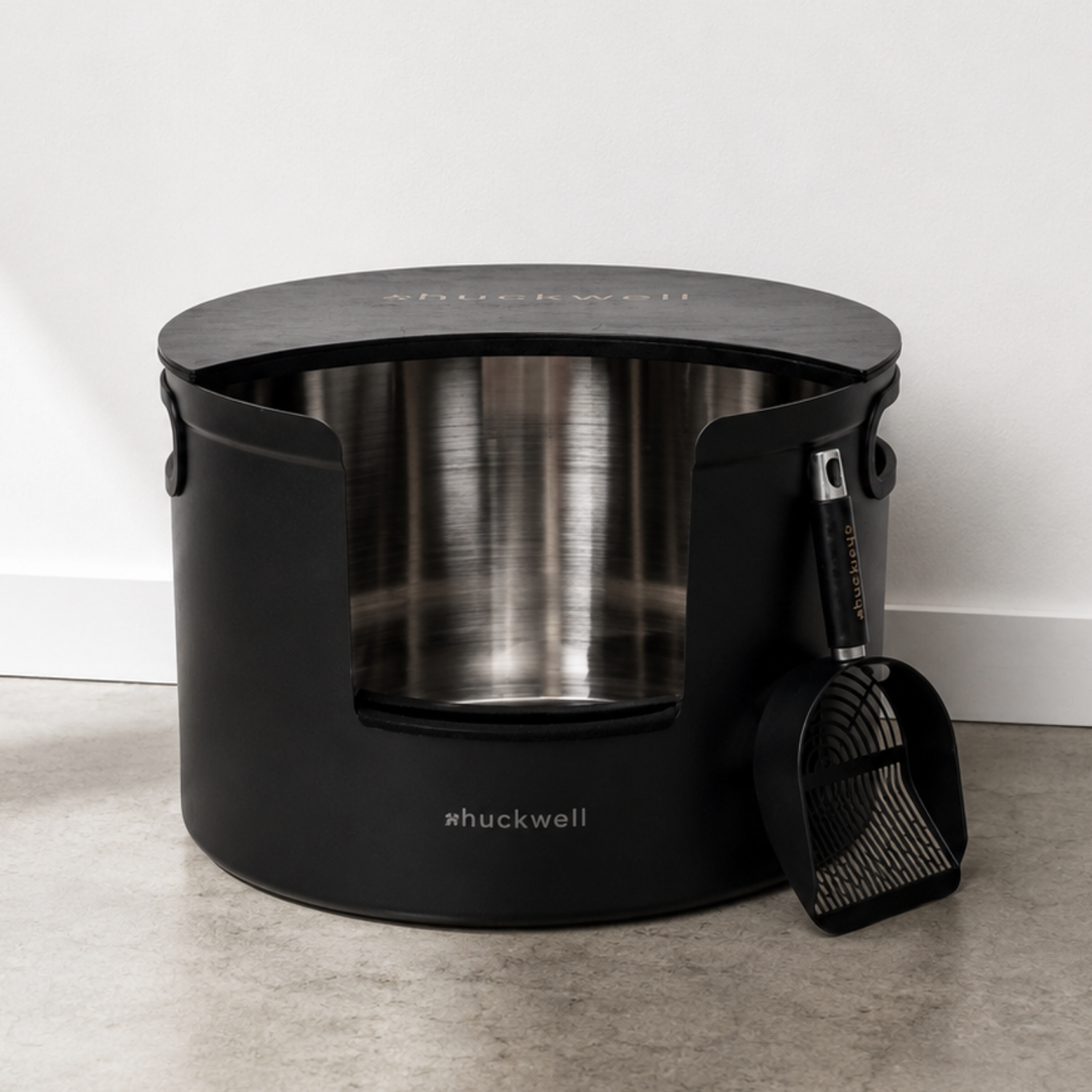
The comfort entry opening is designed to allow cats to enter and exit without stepping over a high sharp edge. The stability mat prevents the box from sliding when a cat enters or exits, which matters particularly for larger cats who generate more momentum.
Why the round design is better for cats
Common Safety Questions About Stainless Steel Litter Boxes
Will a stainless steel litter box rust?
304-grade stainless steel will not rust under normal household conditions, including exposure to cat urine and ammonia. Rust resistance is one of the primary reasons 304-grade is specified over lower grades. The chromium content in 304-grade steel creates a passive oxide layer on the surface that continuously self-repairs, maintaining corrosion resistance over the lifetime of the product.
Does stainless steel conduct cold in winter?
Stainless steel does conduct temperature more readily than plastic, which means in very cold environments a stainless steel litter box may feel cooler to the touch. In normal household temperatures this is not a practical concern. Cats are not in contact with the litter box surface for extended periods and the litter itself provides insulation between the cat and the box.
Is the litter box coating safe?
The Huckwell Halo uses no coatings or surface treatments on the stainless steel interior. The interior surface is the natural 304-grade stainless steel material itself, with no paint, lacquer, or chemical finish. The exterior shell uses a matte finish that is not in contact with litter or cat waste.
Are the accessories included with the Halo safe?
The Halo includes a wood and stainless steel scoop. Both materials are non-toxic and safe for normal litter box use.
Why Huckwell Uses 304-Grade Stainless Steel
Safety was a foundational requirement when designing the Halo, not an afterthought. 304-grade stainless steel was chosen specifically because it is the highest standard for food and biological contact applications, because it does not degrade or leach over time, and because it solves the hygiene problems that make plastic litter boxes a long-term concern.
A litter box your cat uses every day deserves the same material standards as the bowl they eat from. That is the standard the Halo is built to.
Learn more about the Huckwell Halo
Frequently Asked Questions
Is 304 stainless steel safe for cats?
Yes. 304-grade stainless steel is food-grade certified, non-toxic, and completely safe for cats. It contains no BPA, microplastics, or chemical coatings. It is the same material standard used in pet food bowls and surgical instruments.
Can a cat get sick from a stainless steel litter box?
No. 304-grade stainless steel does not leach toxic compounds and does not harbor bacteria in the way that scratched plastic does. A stainless steel litter box that is cleaned regularly is one of the most hygienic litter box options available.
Is plastic or stainless steel safer for cat litter boxes?
Stainless steel, specifically 304-grade, is safer over time. Plastic is generally safe when new but degrades with use, developing scratches that harbor bacteria and potentially leaching microplastics and other compounds. 304-grade stainless steel maintains its surface integrity and safety profile for the lifetime of the product.
Does stainless steel affect cats with metal sensitivities?
Metal allergies or sensitivities in cats are extremely rare and typically involve specific metals like nickel in high concentrations from direct skin contact over extended periods. A litter box surface that a cat's paws contact briefly during use does not present a meaningful exposure risk. If you have specific concerns about your cat's sensitivities, consult your vet.
Is the Huckwell Halo certified food-grade?
The Huckwell Halo is made from 304-grade stainless steel, which is the food-grade standard. If you require specific material certifications for any reason, contact Huckwell directly through the contact page.
Cat essentials, built to human standards.